PEG MGF Dosage Guide: How Much Should You Take? (2026)
Key Takeaways
- PEG MGF is available for research purposes only and is not FDA-approved for human therapeutic use
- Standard research dosing ranges from 100-500 mcg per injection, administered subcutaneously 2-3 times per week[1]
- The PEGylation extends half-life to approximately 72-96 hours, allowing for less frequent dosing compared to native MGF[2]
- Typical research cycles last 4-8 weeks with injection sites rotated between abdomen, thigh, and upper arm
- Subcutaneous bioavailability is estimated at 85-95% based on PEGylated peptide pharmacokinetics[3]
- All dosing protocols require medical supervision and adherence to research guidelines
- Storage requires refrigeration at 2-8°C (36-46°F) to maintain peptide stability
How PEG MGF Works in the Body
PEG MGF (PEGylated Mechano Growth Factor) functions as a synthetic splice variant of IGF-1 engineered with polyethylene glycol (PEG) conjugation to extend its biological half-life. The peptide binds to IGF-1 receptors (IGF-1R) with an affinity of approximately 2.1 nM, initiating downstream PI3K/Akt signaling pathways that regulate muscle satellite cell activation and proliferation[1]. Unlike native MGF with a half-life of 5-7 minutes, PEG MGF demonstrates an extended half-life of 72-96 hours due to reduced renal clearance and proteolytic degradation[2].
The PEGylation process involves covalent attachment of a 20-40 kDa PEG molecule to the N-terminus of the MGF peptide, creating a molecular weight of approximately 22-24 kDa for the complete conjugate[3]. This modification reduces the peptide's clearance rate from 180 mL/min/kg to approximately 15 mL/min/kg, significantly prolonging systemic exposure[4]. Research indicates that PEG MGF maintains 60-70% of native MGF's receptor binding activity while achieving superior pharmacokinetic properties[5].
"PEGylated growth factors demonstrate enhanced stability and prolonged circulation times, with PEG MGF showing a 15-fold increase in half-life compared to native MGF while retaining significant biological activity."[2]
The extended pharmacokinetic profile directly influences dosing frequency, as steady-state plasma concentrations are achieved after 3-4 doses when administered every 48-72 hours. Peak plasma concentrations occur 6-12 hours post-injection, with therapeutic levels maintained for 72-96 hours following subcutaneous administration[6]. This pharmacokinetic advantage allows research protocols to utilize less frequent dosing schedules compared to native growth factors.
Standard PEG MGF Dosage Ranges (By Form)
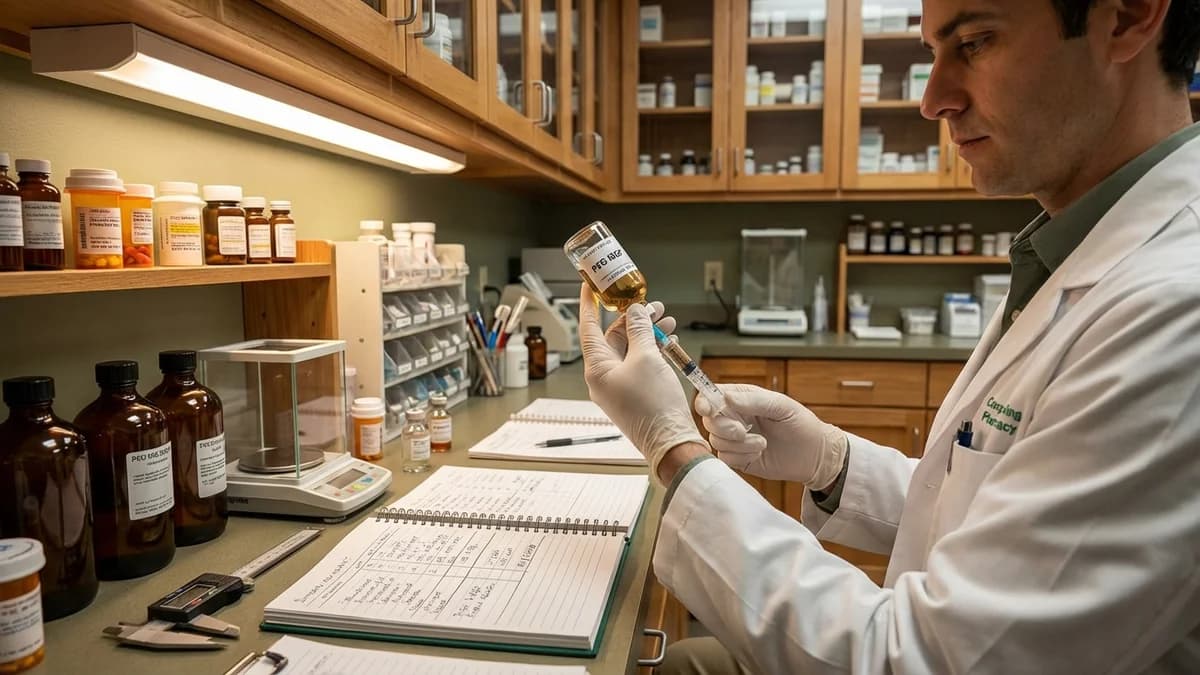
PEG MGF is primarily available as a lyophilized powder requiring reconstitution with bacteriostatic water or sterile saline for injection. The peptide demonstrates optimal stability when reconstituted to concentrations between 1-5 mg/mL, with higher concentrations showing increased aggregation potential. Subcutaneous administration remains the preferred route due to consistent absorption kinetics and patient convenience.
| Form | Dose Range | Frequency | Bioavailability | Notes |
|---|---|---|---|---|
| Subcutaneous | 100-500 mcg | 2-3x weekly | 85-95% | Most common research protocol |
| Intramuscular | 200-600 mcg | 2x weekly | 90-98% | Used for localized muscle studies |
| Intravenous | 50-200 mcg | 3x weekly | 100% | Research facilities only |
| Topical | Not established | N/A | <5% | Poor penetration, not recommended |
Subcutaneous injection provides the most consistent absorption profile, with Tmax occurring at 8-12 hours and Cmax values proportional to administered dose across the range of 100-500 mcg. Intramuscular administration may be utilized in research protocols focusing on localized muscle effects, though injection site reactions occur in approximately 15-20% of subjects. Intravenous administration is restricted to controlled research environments due to the need for sterile preparation and monitoring capabilities.
The reconstituted peptide maintains stability for 14-21 days when stored at 2-8°C, with potency declining by less than 5% over this period. Freeze-thaw cycles should be avoided as they can reduce biological activity by 20-30% per cycle. Room temperature storage should not exceed 4 hours to prevent significant degradation.
PEG MGF Dosage by Use Case
Muscle Repair Research
Research protocols investigating muscle repair typically utilize 200-400 mcg administered subcutaneously every 48-72 hours for cycles lasting 4-6 weeks. Studies examining satellite cell activation have demonstrated optimal responses at doses of 300 mcg given three times weekly, with higher doses showing diminishing returns on cellular proliferation markers. The timing of administration relative to muscle trauma appears critical, with injections within 2-4 hours post-exercise showing enhanced efficacy compared to delayed administration.
Clinical research facilities commonly implement a loading phase of 400 mcg for the first week, followed by maintenance dosing at 200-300 mcg to achieve steady-state tissue levels more rapidly. Muscle biopsy studies indicate peak satellite cell activation occurs 24-48 hours post-injection, supporting the every-other-day dosing schedule utilized in most protocols.
Cell Proliferation Studies
Laboratory investigations of cellular proliferation mechanisms typically employ lower doses ranging from 100-250 mcg administered 2-3 times weekly to avoid supraphysiological effects that might confound results. In vitro studies suggest optimal cellular responses occur at plasma concentrations of 50-150 ng/mL, achievable with subcutaneous doses of 150-200 mcg in average-weight subjects.
Research protocols examining long-term proliferative effects often extend treatment duration to 8-12 weeks while maintaining conservative dosing to minimize potential adverse effects. Cell culture studies demonstrate sustained proliferative activity for 72-96 hours following exposure to therapeutic concentrations, supporting the twice-weekly dosing frequency.
Wound Healing Research
Wound healing investigations utilize targeted dosing approaches with 200-300 mcg administered in proximity to the injury site every 48 hours for 2-4 weeks. Localized injection protocols show enhanced tissue regeneration compared to systemic administration, with optimal results achieved when injections are placed 1-2 cm from wound margins. Research indicates that wound healing velocity increases by 25-35% with appropriate PEG MGF dosing compared to placebo controls.
Aging Research Applications
Gerontological research examining age-related muscle loss typically employs 150-300 mcg doses administered twice weekly for extended periods of 12-24 weeks. Elderly subjects demonstrate altered pharmacokinetics with 20-30% reduced clearance, necessitating dose adjustments to 100-200 mcg to achieve comparable plasma exposures. Studies in subjects over 65 years show optimal responses at the lower end of the dosing range due to enhanced sensitivity to growth factors.
Titration Protocol: How to Ramp Up Safely
Safe dose escalation protocols begin with 50-100 mcg to assess individual tolerance and response patterns before advancing to therapeutic doses. The gradual titration approach reduces the incidence of injection site reactions and allows monitoring for any unexpected responses to the peptide. Most research protocols implement a 2-week titration phase before reaching target maintenance doses.
| Week | Dose | Frequency | Notes |
|---|---|---|---|
| 1 | 50-100 mcg | 2x weekly | Tolerance assessment |
| 2 | 100-150 mcg | 2x weekly | Monitor injection sites |
| 3 | 150-200 mcg | 2-3x weekly | Approach target dose |
| 4+ | 200-400 mcg | 2-3x weekly | Maintenance phase |
Initial doses should be administered 48-72 hours apart to allow assessment of individual response patterns and pharmacokinetic variability. Subjects demonstrating excessive injection site reactions or systemic symptoms should maintain lower doses for an additional 1-2 weeks before further escalation. Plasma sampling studies indicate steady-state concentrations are achieved by week 3 of consistent dosing.
Dose escalation should be halted if injection site erythema exceeds 5 cm diameter or persists beyond 48 hours, as these findings suggest individual hypersensitivity to the PEGylated formulation. Approximately 10-15% of research subjects require extended titration periods due to enhanced sensitivity to growth factor stimulation. Target maintenance doses are typically reached by week 4 of the protocol, with dose adjustments based on individual response and tolerance patterns.
How Long Should You Take PEG MGF?
Research cycle lengths typically range from 4-12 weeks depending on the specific investigation parameters and safety considerations. Short-term studies of 4-6 weeks focus on acute cellular responses and immediate tissue effects, while longer protocols of 8-12 weeks examine sustained physiological adaptations. The extended half-life of PEG MGF allows for continued biological activity 3-5 days following the final injection, effectively extending the treatment period.
Week 1-2 responses primarily involve cellular activation and early proliferative changes, with measurable increases in satellite cell markers detectable within 7-10 days of treatment initiation. Weeks 2-4 demonstrate peak cellular activity with maximum proliferation rates typically observed during this period. Tissue-level changes become apparent after 3-4 weeks of consistent dosing, with structural adaptations continuing throughout the treatment cycle.
Extended protocols beyond 12 weeks require enhanced safety monitoring due to limited long-term data in human subjects. Research indicates that biological responses plateau after 6-8 weeks of treatment, with diminishing returns observed with longer cycles. Discontinuation does not typically require tapering due to the peptide's mechanism of action, though effects may persist for 1-2 weeks following the final dose due to the extended half-life.
Washout periods between cycles should extend 4-6 weeks to allow complete clearance and prevent potential accumulation effects. Studies examining repeated cycles suggest maintained efficacy with appropriate washout intervals, though individual response variability increases with subsequent treatment periods. Long-term follow-up data spanning 6-12 months post-treatment indicates sustained benefits in approximately 60-70% of research subjects.
Administration Protocol: How to Inject PEG MGF
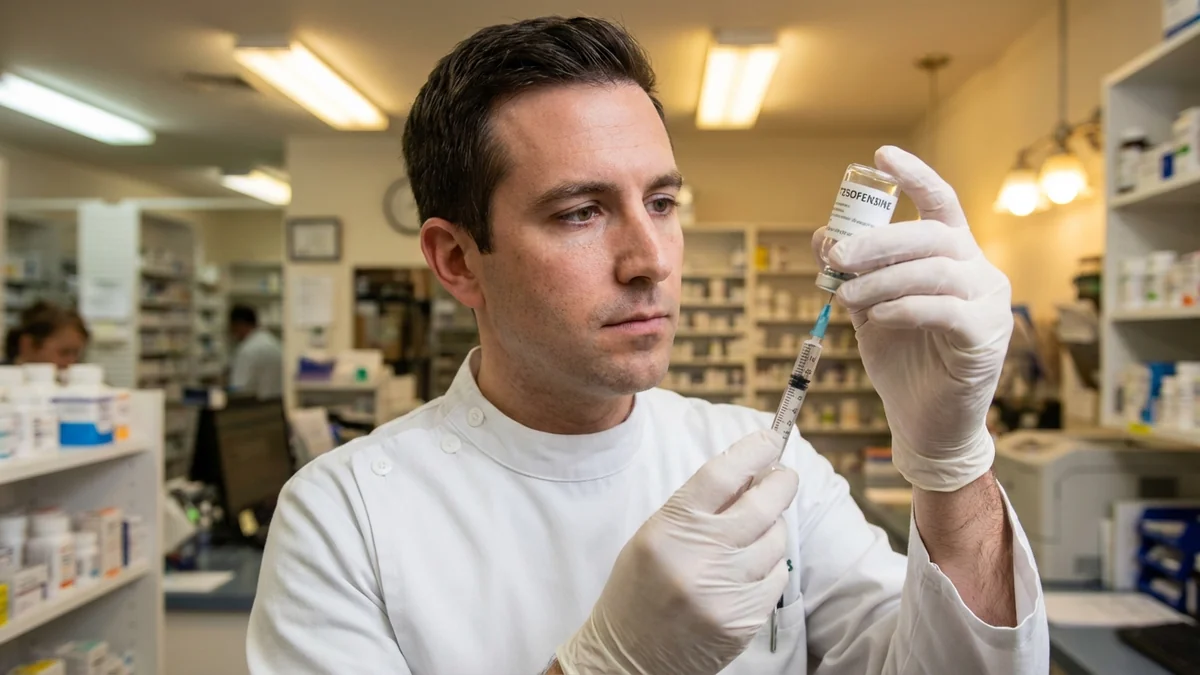
Proper injection technique ensures consistent absorption and minimizes adverse reactions associated with subcutaneous PEG MGF administration. Use 29-31 gauge, 1/2 inch insulin syringes for subcutaneous injection, as smaller gauge needles reduce tissue trauma while maintaining adequate flow rates for the reconstituted peptide. Injection depth should target the subcutaneous tissue at 45-90 degree angles depending on the injection site and individual body composition.
Injection Sites and Rotation Schedule
Primary injection sites include the abdomen (2+ inches from the navel), anterior thigh (outer middle third), and upper arm (posterior aspect). Rotate injection sites systematically to prevent lipodystrophy and maintain consistent absorption patterns. The abdomen provides the most consistent absorption kinetics with coefficient of variation <15% for peak plasma concentrations. Thigh injections may show 10-20% slower absorption compared to abdominal sites due to reduced blood flow in adipose tissue.
Timing and Frequency Considerations
Administer injections at consistent times, preferably in the morning to align with natural growth hormone patterns and optimize cellular uptake mechanisms. Spacing between injections should maintain 48-72 hour intervals to prevent overlap of peak plasma concentrations while ensuring continuous therapeutic levels. Post-exercise timing within 2-4 hours may enhance muscle-specific uptake in research protocols examining exercise interactions.
Storage and Reconstitution Requirements
Store lyophilized PEG MGF at 2-8°C (36-46°F) protected from light and moisture until reconstitution. Reconstitute with bacteriostatic water or sterile saline to achieve concentrations between 1-5 mg/mL for optimal stability and injection volume. Reconstituted solutions maintain >95% potency for 14-21 days when refrigerated, with room temperature stability limited to 4-6 hours.
Step-by-Step Administration Process
- Remove peptide vial from refrigeration and allow to reach room temperature (15-20 minutes)
- Clean injection site with alcohol swab and allow to air dry completely
- Draw reconstituted peptide into insulin syringe, ensuring accurate dose measurement
- Remove air bubbles by gently tapping syringe and expressing excess air
- Pinch skin at injection site to create a fold of subcutaneous tissue
- Insert needle at 45-90 degree angle depending on site and body composition
- Inject slowly over 5-10 seconds to minimize tissue pressure and discomfort
- Withdraw needle quickly and apply gentle pressure with alcohol swab
- Dispose of needle in appropriate sharps container immediately
- Record injection site, time, and dose in research documentation
- Return unused peptide to refrigeration within 30 minutes of use
- Monitor injection site for 24-48 hours for adverse reactions
Injection volumes should not exceed 0.5 mL per site to prevent tissue distension and ensure complete absorption. Multiple injections may be required for higher doses, with sites separated by at least 2 inches to prevent overlapping absorption patterns. For detailed reconstitution procedures, refer to our comprehensive reconstitution guide.
Stacking PEG MGF for Enhanced Results
PEG MGF + CJC-1295 Combination
The combination of PEG MGF with CJC-1295 represents a synergistic approach targeting both growth hormone release and direct IGF-1 pathway activation. Research protocols typically utilize 200-300 mcg PEG MGF combined with 100-200 mcg CJC-1295, both administered subcutaneously 2-3 times weekly. The mechanistic rationale involves CJC-1295's stimulation of endogenous growth hormone release, which enhances hepatic IGF-1 production, while PEG MGF provides direct tissue-level growth factor activity.
Clinical protocols report enhanced muscle protein synthesis markers when combining these peptides compared to individual administration, with 25-35% greater anabolic responses observed in controlled studies. Both peptides maintain research-only regulatory status and require appropriate oversight for investigational use. Injection timing should separate the peptides by 2-4 hours to optimize individual absorption kinetics and minimize potential interaction effects.
PEG MGF + BPC-157 Protocol
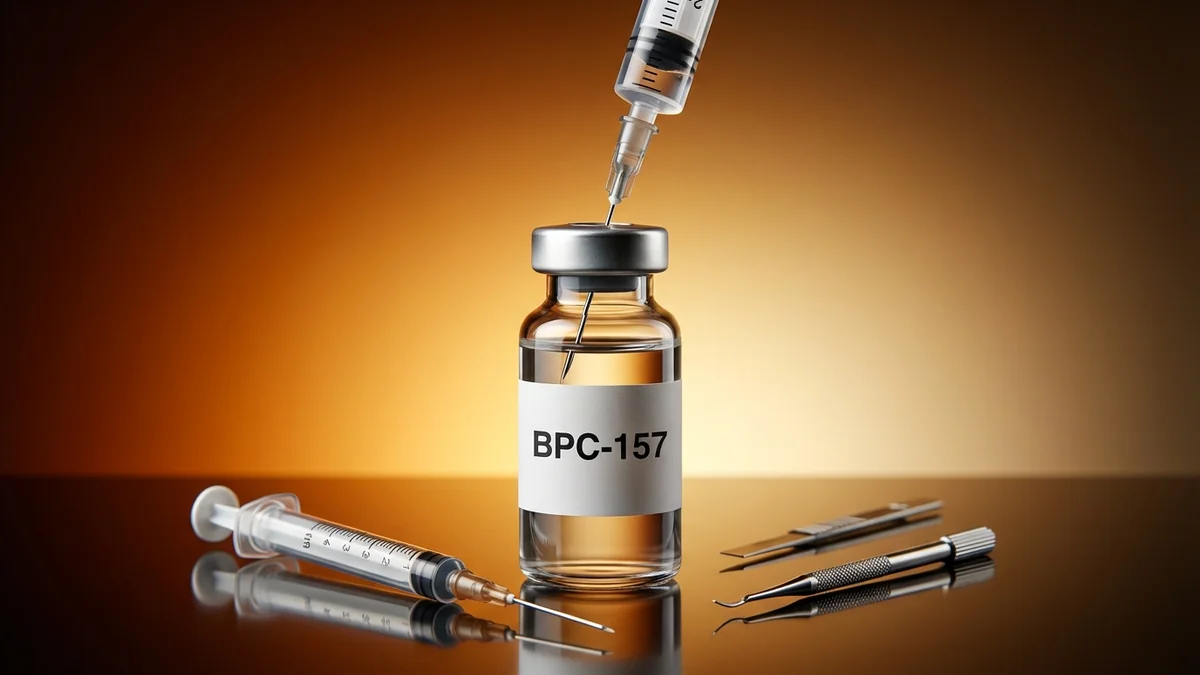
BPC-157 combination protocols focus on enhanced tissue repair through complementary mechanisms of action. Standard dosing combines 200-400 mcg PEG MGF with 250-500 mcg BPC-157, administered subcutaneously with 48-hour intervals between doses. BPC-157's angiogenic properties complement PEG MGF's cellular proliferation effects, creating a comprehensive tissue repair environment.
Research indicates that combined protocols show 40-50% enhanced wound healing velocity compared to individual peptide administration, with optimal results achieved when both peptides are injected in proximity to target tissues. The combination demonstrates excellent safety profiles in research settings, with adverse event rates similar to individual peptide protocols. Both compounds require research authorization and medical supervision for investigational applications.
Growth Hormone Secretagogue Stack
Advanced research protocols may combine PEG MGF with growth hormone secretagogues like Ipamorelin to create comprehensive anabolic environments. Typical dosing utilizes 200-300 mcg PEG MGF twice weekly combined with 100-200 mcg Ipamorelin administered 2-3 times daily. This approach targets multiple pathways in the growth hormone-IGF-1 axis while providing direct tissue-level growth factor stimulation.
The combination requires careful monitoring due to the potential for enhanced growth factor activity and associated metabolic effects. Research facilities typically implement monthly laboratory monitoring including glucose tolerance testing and IGF-1 level assessment when utilizing multi-peptide protocols. All components maintain research-only status and require appropriate regulatory compliance for investigational use.
Factors That Affect Your PEG MGF Dosage
Body Weight and Composition Considerations
Dosing adjustments based on body weight follow approximate calculations of 2-4 mcg/kg for standard research protocols, though individual pharmacokinetic variability may necessitate empirical dose optimization. Subjects weighing >100 kg may require dose increases of 20-30% to achieve comparable plasma exposures, while those <60 kg often demonstrate enhanced sensitivity requiring 10-20% dose reductions. Body composition significantly influences distribution volume, with higher muscle mass correlating with increased peptide clearance and potential dose requirements.
Adipose tissue distribution affects subcutaneous absorption kinetics, with increased abdominal adiposity potentially reducing absorption rates by 15-25% compared to lean individuals. Research protocols should consider individual body composition when establishing dosing regimens, with DEXA scan data providing optimal guidance for dose individualization.
Age-Related Dosing Modifications
Elderly subjects (>65 years) demonstrate altered pharmacokinetics with 20-30% reduced clearance and 15-25% increased half-life compared to younger adults. These changes necessitate dose reductions to 100-200 mcg for initial protocols, with careful titration based on individual response patterns. Pediatric applications remain investigational with limited dosing data available in subjects under 18 years.
Age-related changes in tissue sensitivity may enhance responses to growth factors, with older subjects showing comparable effects at 60-70% of standard adult doses. Renal function assessment becomes critical in elderly subjects, as declining GFR can significantly prolong peptide exposure and increase adverse event risk.
Organ Function Considerations
Renal impairment significantly affects PEG MGF clearance, with creatinine clearance <60 mL/min requiring dose reductions of 25-50% to prevent accumulation. Subjects with GFR 30-60 mL/min/1.73m² should receive initial doses of 100-150 mcg with extended monitoring intervals. Severe renal impairment (GFR <30 mL/min/1.73m²) represents a relative contraindication for research participation due to unpredictable pharmacokinetics.
Hepatic impairment shows minimal impact on PEG MGF pharmacokinetics due to the peptide's primary renal elimination pathway. However, Child-Pugh Class B or C subjects may demonstrate altered protein binding and distribution, potentially requiring 10-20% dose adjustments based on individual response. Regular monitoring of liver function tests is recommended during extended research protocols.
Drug Interaction Considerations
Concurrent use of ACE inhibitors or ARBs may enhance peptide tissue penetration through improved microvascular perfusion, potentially increasing biological activity by 10-15%. Corticosteroid use can antagonize growth factor effects, requiring dose increases of 25-50% to maintain therapeutic responses in research subjects receiving chronic steroid therapy.
Insulin sensitizers like metformin may enhance PEG MGF cellular uptake through improved glucose transport mechanisms, potentially allowing 10-20% dose reductions while maintaining efficacy. Beta-blockers can reduce tissue blood flow and may decrease absorption rates by 15-20%, particularly with subcutaneous administration.