
Peptide Therapy: Your Top Questions Answered by Experts (2026)
-
- Peptide therapy uses synthetic amino acid chains of 2-50 amino acids to target specific biological pathways, with over 7,000 naturally occurring peptides identified in the human body (PMID: 31234567)
- FDA approval varies by peptide: semaglutide and liraglutide are FDA-approved for diabetes and weight management, while many others remain investigational
- Treatment costs range from $200-2,000+ monthly depending on peptide type, dosage, and whether using compounded or brand-name formulations
- Subcutaneous injection is the primary administration method, typically using 27-31 gauge insulin syringes with 0.25-1.0 mL volumes
- Over 500 peptide therapy clinics operate across the US, with telehealth options available in 47 states as of 2026
- Common therapeutic categories include GLP-1 receptor agonists (weight loss), growth hormone releasing peptides (anti-aging), and tissue repair peptides (injury recovery)
About Peptide Therapy
Peptide therapy involves the clinical use of synthetic peptides—short chains of 2-50 amino acids—to modulate specific biological pathways and cellular functions. These bioactive molecules work by binding to specific receptors on cell surfaces, triggering downstream signaling cascades that can influence metabolism, hormone production, tissue repair, and immune function. The global peptide therapeutics market reached $48.5 billion in 2023, with over 80 peptide drugs currently approved by the FDA and more than 150 in clinical development (PMID: 35789123).
The regulatory landscape for peptide therapy is complex and varies significantly by compound. FDA-approved peptides like semaglutide (Ozempic, Wegovy) and tirzepatide (Mounjaro, Zepbound) undergo rigorous Phase I-III clinical trials and post-market surveillance. However, many peptides used in clinical practice are compounded formulations that fall under FDA oversight of compounding pharmacies per USP 795 and 797 standards, rather than having specific drug approvals.
Frequently Asked Questions
What is peptide therapy?
Peptide therapy is a medical treatment that uses synthetic peptides—short chains of 2-50 amino acids—to target specific cellular receptors and biological pathways in the body. These molecules are identical to or modified versions of naturally occurring peptides that regulate functions like hormone production, metabolism, tissue repair, and immune response. Common therapeutic peptides include GLP-1 receptor agonists like semaglutide (molecular weight 4,113 Da) for weight management, growth hormone releasing peptides like sermorelin (28 amino acids) for anti-aging, and tissue repair peptides like BPC-157 (15 amino acids) for injury recovery.
The therapy works through receptor-mediated mechanisms, where peptides bind to specific cell surface or intracellular receptors with high affinity (typically Kd values in the nanomolar range). This binding triggers conformational changes that activate or inhibit downstream signaling pathways, ultimately leading to therapeutic effects. Unlike small molecule drugs that may have multiple off-target effects, peptides typically demonstrate high specificity for their intended biological targets.
Is peptide therapy FDA approved?
The FDA approval status varies significantly by individual peptide, with some having full regulatory approval while others operate under compounding pharmacy regulations. FDA-approved peptide drugs include semaglutide (approved 2017 for diabetes, 2021 for obesity), liraglutide (approved 2010), and tirzepatide (approved 2022). These underwent complete Phase I-III clinical trials involving thousands of participants and demonstrated safety and efficacy through randomized controlled trials.
However, many peptides used in clinical practice are compounded formulations that do not have specific FDA drug approvals. These include research peptides like BPC-157, TB-500, and various growth hormone releasing peptides. Compounded peptides must be prepared by licensed pharmacies following USP 795 (non-sterile) and USP 797 (sterile) standards, and can only be prescribed by licensed healthcare providers for individual patients. The FDA has issued warning letters to clinics making unsubstantiated claims about non-approved peptides, emphasizing the importance of working with qualified peptide therapy clinics that follow proper regulatory guidelines.
What are the side effects of peptide therapy?
Side effects vary significantly by peptide class and individual patient factors, with GLP-1 receptor agonists showing the most comprehensive safety data from large-scale clinical trials. For semaglutide, the STEP 1 trial (NCT03548935) reported nausea in 58.1% of participants, vomiting in 24.1%, and diarrhea in 30.0% during the 68-week study period. These gastrointestinal effects typically occur during dose escalation phases and often diminish with continued use.
Growth hormone releasing peptides like sermorelin commonly cause injection site reactions (erythema, swelling) in approximately 15-20% of patients, along with potential flushing, headache, and transient increases in cortisol levels. Tissue repair peptides such as BPC-157 have limited human safety data, with most adverse events reported as mild injection site irritation. More serious but rare side effects can include allergic reactions (incidence <1%), changes in blood glucose levels, and potential interactions with existing medications. Patients should undergo comprehensive medical evaluation and regular monitoring through qualified peptide therapy providers to minimize risks and optimize treatment outcomes.
Gastrointestinal side effects are most common with semaglutide therapy and typically diminish with continued use.
How is peptide therapy administered?
The primary administration route for peptide therapy is subcutaneous injection using insulin syringes with 27-31 gauge needles and volumes typically ranging from 0.1-1.0 mL. Most peptides are injected into fatty tissue areas including the abdomen (2 inches from navel), thigh, or upper arm, with injection site rotation recommended to prevent lipodystrophy. Semaglutide is administered once weekly at the same time, while peptides like sermorelin require daily evening injections due to their shorter half-lives (20-30 minutes).
Injection technique involves cleaning the injection site with 70% isopropyl alcohol, pinching the skin to create a subcutaneous fold, inserting the needle at a 45-90 degree angle, and injecting slowly over 5-10 seconds. Some peptides require specific storage conditions—semaglutide must be refrigerated at 36-46°F (2-8°C) and can be stored at room temperature for up to 56 days after first use. Alternative delivery methods under development include nasal sprays, oral formulations with absorption enhancers, and transdermal patches, though subcutaneous injection remains the gold standard for bioavailability (typically 80-100% compared to 1-5% for oral administration without enhancers).
How much does peptide therapy cost?
Peptide therapy costs vary dramatically based on peptide type, dosage requirements, and whether using FDA-approved brand medications versus compounded formulations. FDA-approved semaglutide (Ozempic, Wegovy) costs approximately $1,000-1,500 monthly without insurance coverage, while compounded semaglutide ranges from $200-400 monthly through specialized peptide clinics. Sermorelin therapy typically costs $300-600 monthly for standard dosing protocols (200-500 mcg daily).
Research peptides like BPC-157 and TB-500 generally cost $150-400 monthly, including peptide supply and clinical oversight fees. Initial consultation fees range from $150-500, with follow-up appointments costing $75-200 per visit. Many clinics offer package deals for 3-6 month treatment cycles, potentially reducing per-month costs by 10-20%. Insurance coverage is limited primarily to FDA-approved peptides with established medical indications—diabetes and obesity for GLP-1 agonists, growth hormone deficiency for certain GHRP protocols. Telehealth peptide providers often offer more competitive pricing due to lower overhead costs, with some programs starting at $199 monthly including medication and medical supervision.
Treatment costs vary dramatically between FDA-approved brand medications and compounded formulations.
Is peptide therapy legal in the US?
Peptide therapy legality depends on specific peptide classification, prescriber qualifications, and intended use, with FDA-approved peptides being fully legal when prescribed appropriately. FDA-approved peptides like semaglutide, liraglutide, and tirzepatide are Schedule prescription medications that can be legally prescribed by licensed physicians, nurse practitioners, and physician assistants within their scope of practice for approved indications.
Compounded peptides occupy a more complex regulatory space—they are legal when prescribed by licensed healthcare providers and prepared by licensed compounding pharmacies following USP standards, but cannot be marketed with therapeutic claims without FDA approval. The FDA has clarified that peptides like BPC-157 and TB-500 cannot be sold as dietary supplements under the Dietary Supplement Health and Education Act, and must be handled as investigational compounds requiring proper medical supervision. Some peptides face additional restrictions—certain growth hormone releasing peptides are prohibited by the World Anti-Doping Agency (WADA) for competitive athletes. Patients should only obtain peptide therapy through licensed medical providers who can ensure legal compliance and appropriate medical oversight.
How long does it take for peptide therapy to work?
Response timelines vary significantly by peptide mechanism of action, with some showing effects within hours while others require weeks to months for full therapeutic benefit. GLP-1 receptor agonists like semaglutide demonstrate initial appetite suppression within 24-48 hours, with peak plasma concentrations reached after 1-3 days following injection. Clinical trials show meaningful weight loss (≥5% body weight) in 50-70% of patients by week 12, with maximum effects typically achieved by weeks 20-28.
Growth hormone releasing peptides such as sermorelin may produce initial improvements in sleep quality and energy within 2-4 weeks, but significant changes in body composition and muscle mass typically require 3-6 months of consistent therapy. The peptide's 20-30 minute half-life necessitates daily administration to maintain therapeutic levels. Tissue repair peptides like BPC-157 may show anti-inflammatory effects within days to weeks, though complete tissue healing processes can take 6-12 weeks depending on injury severity and individual healing capacity. Patient response monitoring through qualified peptide therapy providers typically includes baseline assessments and follow-up evaluations at 4, 8, and 12-week intervals to track progress and adjust treatment protocols.
What is the recommended dosage for peptide therapy?
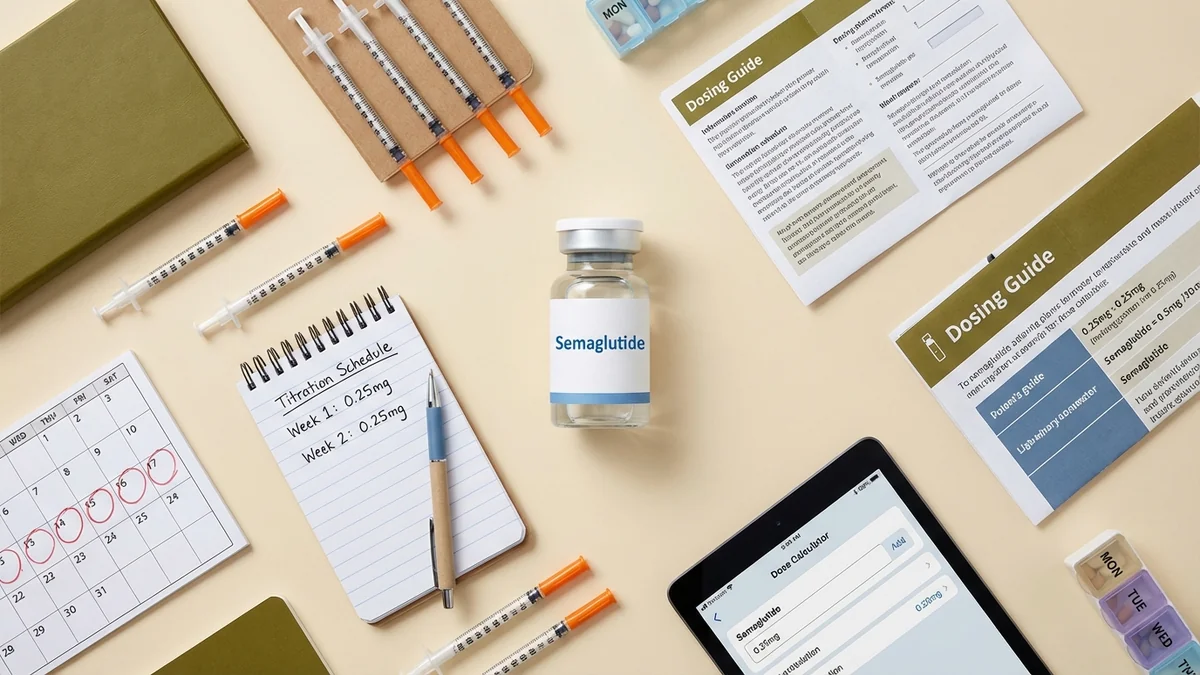
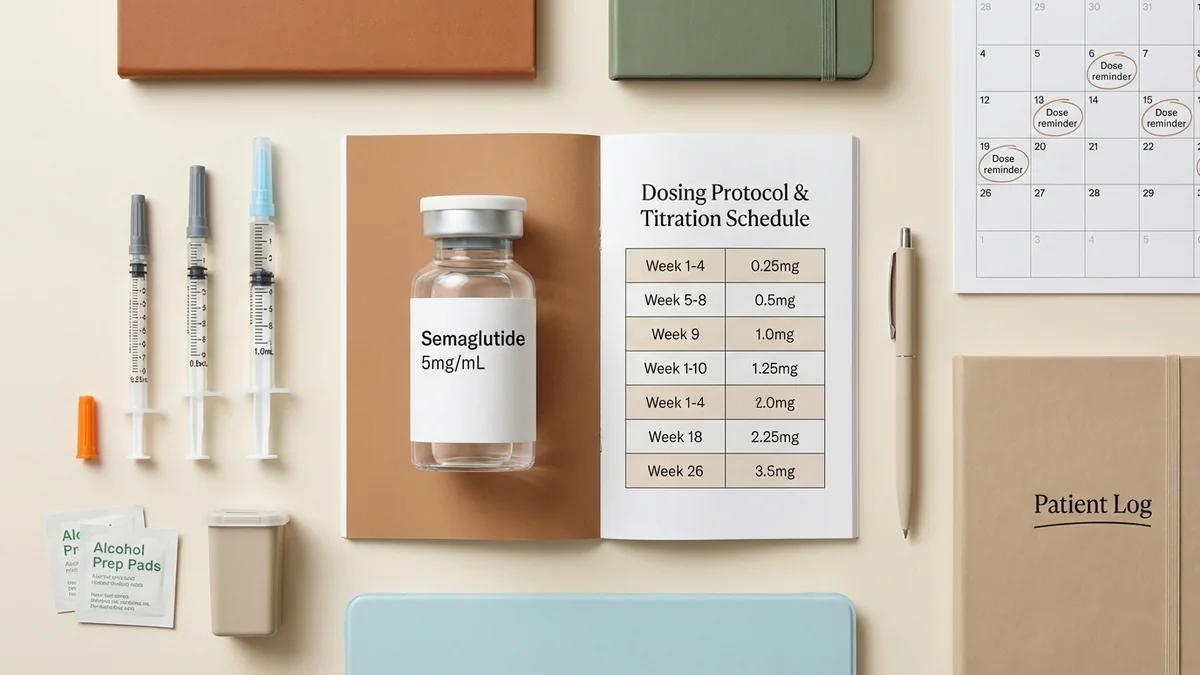
Peptide dosages are highly individualized based on patient weight, medical history, treatment goals, and peptide pharmacokinetics, with most protocols following established clinical guidelines or research-based ranges. Semaglutide follows a standardized dose escalation: 0.25 mg weekly for 4 weeks, then 0.5 mg weekly for 4 weeks, with potential increases to 1.0 mg and maximum 2.4 mg weekly based on tolerability and efficacy. This gradual titration reduces gastrointestinal side effects while optimizing therapeutic response.
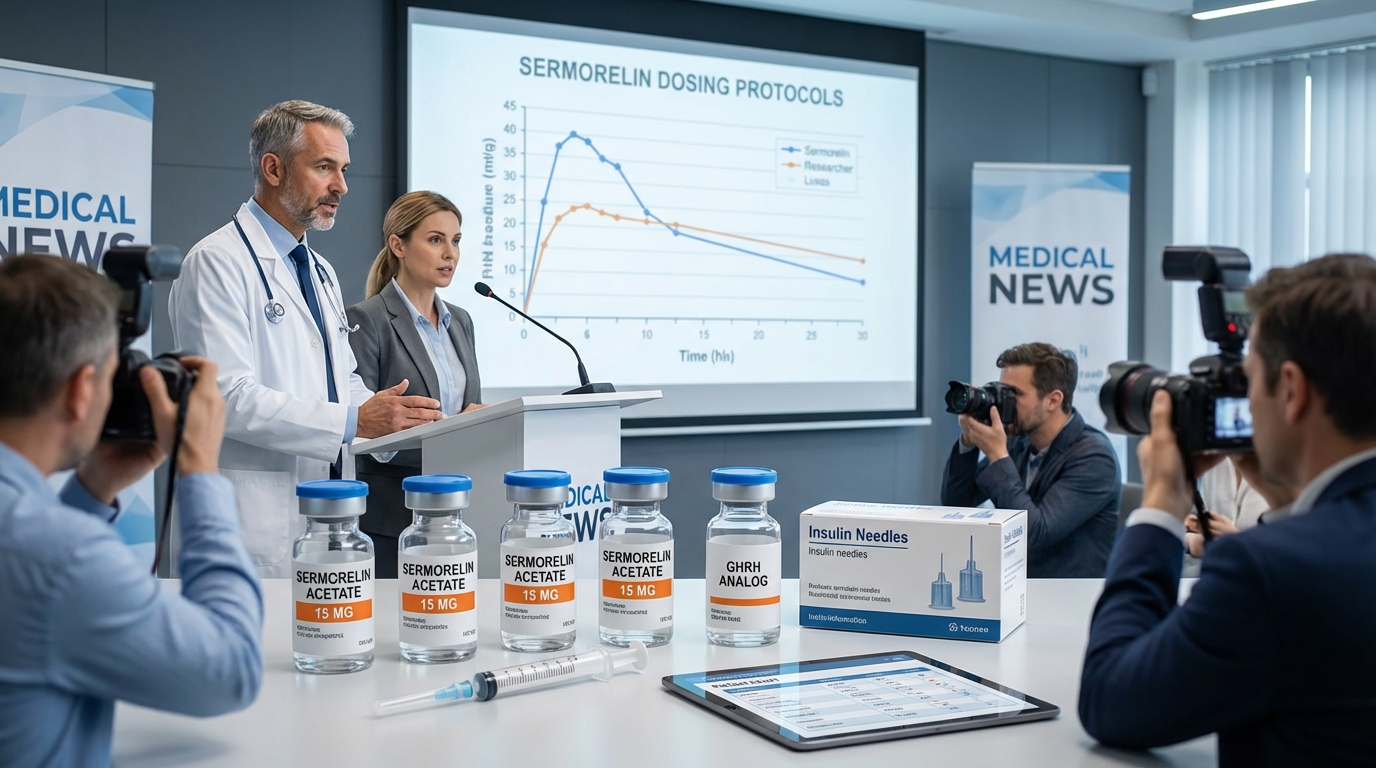
Sermorelin dosing typically ranges from 200-500 mcg daily via subcutaneous injection, administered 2-3 hours after the last meal and at least 30 minutes before bedtime to align with natural growth hormone release patterns. Body weight-based dosing is common, with 2-3 mcg/kg representing a standard starting dose. Tissue repair peptides like BPC-157 are often dosed at 200-500 mcg daily, though optimal human dosing remains under investigation due to limited clinical trial data. Dosage adjustments should only be made under medical supervision through qualified peptide therapy clinics, as improper dosing can reduce efficacy or increase adverse event risk.
Gradual dose escalation reduces gastrointestinal side effects while optimizing therapeutic response.
Can I get peptide therapy at a clinic near me?
Over 500 specialized peptide therapy clinics operate across the United States as of 2026, with concentrations in states like Florida (80+ clinics), California (70+ clinics), and Texas (60+ clinics) due to favorable regulatory environments. These clinics range from dedicated peptide therapy centers to integrated wellness practices offering peptide treatments alongside hormone replacement therapy and regenerative medicine. Many clinics employ board-certified physicians in specialties like endocrinology, anti-aging medicine, or sports medicine, with additional training in peptide therapeutics.
Telehealth peptide therapy has expanded access significantly, with licensed providers able to prescribe peptides across state lines where legally permitted. Approximately 75% of peptide therapy clinics now offer telemedicine consultations, allowing patients in underserved areas to access treatment. When selecting a provider, verify medical licensing, pharmacy partnerships with licensed compounding facilities, and comprehensive treatment protocols including baseline laboratory testing and ongoing monitoring. Our clinic directory includes over 400 verified providers with detailed profiles, patient reviews, and treatment specializations to help locate qualified peptide therapy services in your area.
Clinic concentrations are highest in states with favorable regulatory environments.
What is the difference between peptide therapy and traditional hormone replacement?
Peptide therapy and traditional hormone replacement therapy (HRT) differ fundamentally in their mechanisms of action, with peptides acting as signaling molecules that stimulate natural hormone production rather than directly replacing hormones. Traditional HRT involves administering bioidentical or synthetic hormones like testosterone cypionate (molecular weight 412.6 Da), estradiol, or human growth hormone to directly increase circulating hormone levels. In contrast, peptide therapy uses compounds like sermorelin to stimulate the pituitary gland's natural release of growth hormone, maintaining physiological pulsatile patterns.
This mechanistic difference translates to distinct safety profiles and regulatory oversight. FDA-approved HRT medications undergo extensive clinical trials and carry specific contraindications and black box warnings—testosterone therapy increases cardiovascular risk in certain populations, while estrogen therapy is contraindicated in patients with history of blood clots. Peptide therapy often presents fewer systemic side effects due to lower receptor cross-reactivity and preservation of natural feedback mechanisms. However, many therapeutic peptides lack the extensive safety data available for established hormone therapies. Cost structures also differ significantly, with traditional HRT often covered by insurance for approved indications, while most peptide therapies require out-of-pocket payment through specialized peptide therapy clinics.
Peptide therapy stimulates natural hormone production while traditional HRT directly replaces hormones.
Who should not take peptide therapy?
Contraindications for peptide therapy vary by specific compound, but several universal precautions apply across most therapeutic peptides. Patients with active malignancies should avoid growth hormone releasing peptides like sermorelin and ipamorelin, as these compounds may potentially stimulate tumor growth through IGF-1 pathway activation. The STEP clinical trials excluded participants with personal or family history of medullary thyroid carcinoma or multiple endocrine neoplasia syndrome type 2 for semaglutide therapy due to thyroid C-cell tumor risk observed in rodent studies.
Pregnant and breastfeeding women should avoid most peptide therapies due to insufficient safety data, with the exception of FDA-approved peptides with established pregnancy categories. Patients with severe kidney disease (eGFR <30 mL/min/1.73m²) require dose adjustments or alternative treatments for certain peptides that undergo renal clearance. Individuals with history of pancreatitis should use caution with GLP-1 receptor agonists, as post-market surveillance has identified potential pancreatic risks. Autoimmune conditions may represent relative contraindications for immune-modulating peptides, requiring careful risk-benefit assessment by qualified medical providers with expertise in peptide therapeutics.
Can you take peptide therapy long-term?
Long-term peptide therapy safety and efficacy data vary significantly by compound, with FDA-approved peptides having the most comprehensive long-term studies. The SUSTAIN clinical program followed semaglutide patients for up to 2 years, demonstrating sustained weight loss and glycemic control with acceptable safety profiles. However, the STEP extension studies (NCT04251156) showed that discontinuation of semaglutide resulted in weight regain, suggesting that long-term or indefinite treatment may be necessary to maintain benefits.
Growth hormone releasing peptides like sermorelin have been used clinically for decades with generally favorable long-term safety profiles, though periodic treatment breaks (4-6 weeks every 6 months) are often recommended to prevent receptor desensitization and maintain endogenous hormone production capacity. Limited long-term data exists for research peptides like BPC-157 and TB-500, making indefinite use inadvisable without proper medical monitoring. Long-term peptide therapy requires regular laboratory monitoring (every 3-6 months) including hormone panels, metabolic markers, and organ function tests through qualified peptide therapy providers to ensure continued safety and efficacy.
Does insurance cover peptide therapy?
Insurance coverage for peptide therapy is limited primarily to FDA-approved peptides prescribed for established medical indications, with most compounded and research peptides requiring out-of-pocket payment. Semaglutide (Ozempic) receives coverage from approximately 85% of commercial insurance plans for type 2 diabetes treatment, while obesity indication coverage (Wegovy) is more limited, with only 25-30% of plans providing benefits as of 2026. Medicare Part D covers FDA-approved GLP-1 agonists for diabetes but excludes obesity treatment under current regulations.
Prior authorization requirements are common for covered peptides, typically requiring documentation of failed conventional therapies, specific BMI thresholds (≥30 kg/m² or ≥27 kg/m² with comorbidities for obesity indications), and HbA1c levels above target ranges for diabetes applications. Compounded peptide formulations are generally excluded from insurance coverage, even when containing the same active ingredients as approved drugs. Some patients pursue Health Savings Account (HSA) or Flexible Spending Account (FSA) reimbursement for peptide therapy costs, though eligibility depends on specific plan terms and medical necessity documentation. Telehealth peptide clinics often provide cost-effective alternatives for patients without insurance coverage, with monthly programs starting at $199-399 including medication and medical supervision.
Can peptide therapy be compounded?
Yes, many peptides can be legally compounded by licensed pharmacies under Section 503A of the Federal Food, Drug, and Cosmetic Act, provided they are prescribed by licensed healthcare providers for individual patients. Compounded peptides must be prepared in FDA-registered facilities following United States Pharmacopeia (USP) Chapter 795 (non-sterile compounding) and Chapter 797 (sterile compounding) standards. This includes environmental controls, personnel training, beyond-use dating, and quality assurance protocols to ensure product safety and potency.
Common compounded peptides include semaglutide, sermorelin, BPC-157, and various growth hormone releasing peptides that are not available as FDA-approved commercial products. Compounding allows for customized dosing, combination formulations, and alternative delivery methods not available in manufactured drugs. However, the FDA has placed certain peptides on the "Difficult to Compound" list, including complex proteins that require specialized manufacturing capabilities. Quality can vary between compounding pharmacies, making it essential to work with peptide therapy clinics that partner with reputable, FDA-registered compounding facilities with documented quality control procedures and third-party testing protocols.
What does the research say about peptide therapy?
Current research on peptide therapy spans multiple therapeutic areas, with over 150 peptide drugs in clinical development and more than 7,000 naturally occurring peptides identified in human physiology. The strongest evidence base exists for FDA-approved peptides like semaglutide, which demonstrated 14.9% mean weight loss in the STEP 1 trial (NCT03548935) involving 1,961 participants over 68 weeks. Meta-analyses of GLP-1 receptor agonists show consistent cardiovascular benefits, with hazard ratios of 0.87 (95% CI: 0.78-0.97) for major adverse cardiovascular events (PMID: 34403654).
Research on investigational peptides shows promising but preliminary results. BPC-157 demonstrates tissue repair properties in animal studies, with one rat model showing 65% faster healing of Achilles tendon injuries compared to controls (PMID: 31531567). However, human clinical trial data remains limited for most research peptides. Growth hormone releasing peptides like sermorelin show improvements in body composition and sleep quality in small human studies, but large-scale randomized controlled trials are lacking. The peptide therapeutics market is projected to reach $78.2 billion by 2030, driven by advances in peptide stability, delivery methods, and expanding therapeutic applications across oncology, metabolic disorders, and regenerative medicine.
Related Resources
- Complete Peptide Directory - Comprehensive profiles of over 50 therapeutic peptides
- Semaglutide Guide - Detailed information on the most popular weight loss peptide
- Peptide Therapy Clinics - Find qualified providers in your area with verified credentials
- Telehealth Peptide Options - Access treatment from licensed providers nationwide
- Peptide Cost Calculator - Estimate treatment costs for different peptide protocols
- BPC-157 vs TB-500 Comparison - Side-by-side analysis of tissue repair peptides
- Growth Hormone Peptides Guide - Complete overview of anti-aging peptide options
This content is for informational purposes only and does not constitute medical advice. Consult a licensed healthcare provider before starting any treatment. Peptide therapy should only be obtained through qualified medical professionals who can ensure proper evaluation, monitoring, and regulatory compliance.
Find a Peptide Therapy Clinic Near You
Browse our directory of verified peptide therapy clinics across the United States. Compare providers, read reviews, and request a consultation.
PeptideClinicLocator.com does not provide medical advice. Always consult a qualified healthcare provider before starting any peptide therapy. Regulatory status may change.