PeptideClinicLocator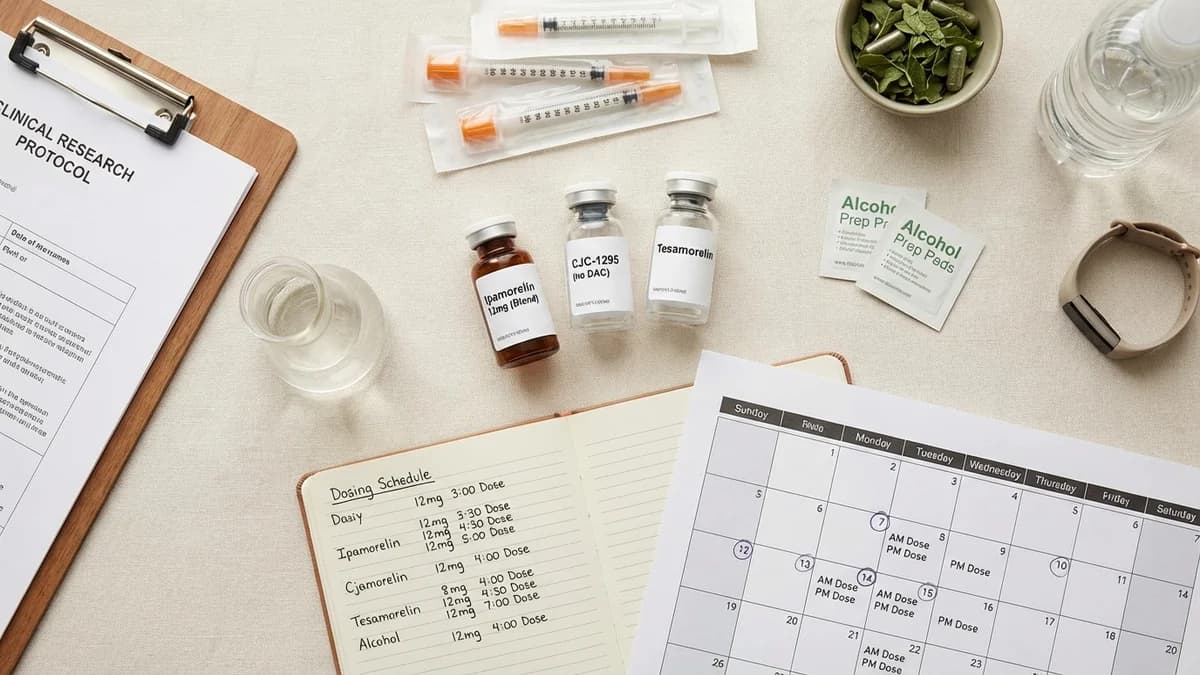
Key Takeaways
- Research Use Only: Tesamorelin, CJC-1295 (no DAC), Ipamorelin 12mg (Blend) is not FDA-approved and is available for research purposes.
- Typical Dosing: Research protocols often start with low doses and titrate based on response and tolerability.
- Administration: Primarily administered via subcutaneous injection; requires careful handling and storage.
- Medical Supervision: Essential to ensure safety and efficacy, especially given the research status of these peptides.
What Is Tesamorelin, CJC-1295 (no DAC), Ipamorelin 12mg (Blend)?
Tesamorelin, CJC-1295 (no DAC), Ipamorelin 12mg (Blend) is a research peptide combination designed to explore growth hormone axis modulation through combined GHRH and ghrelin receptor pathways. This blend is used in endocrine studies and receptor biology research. For more detailed information, visit the full profile.
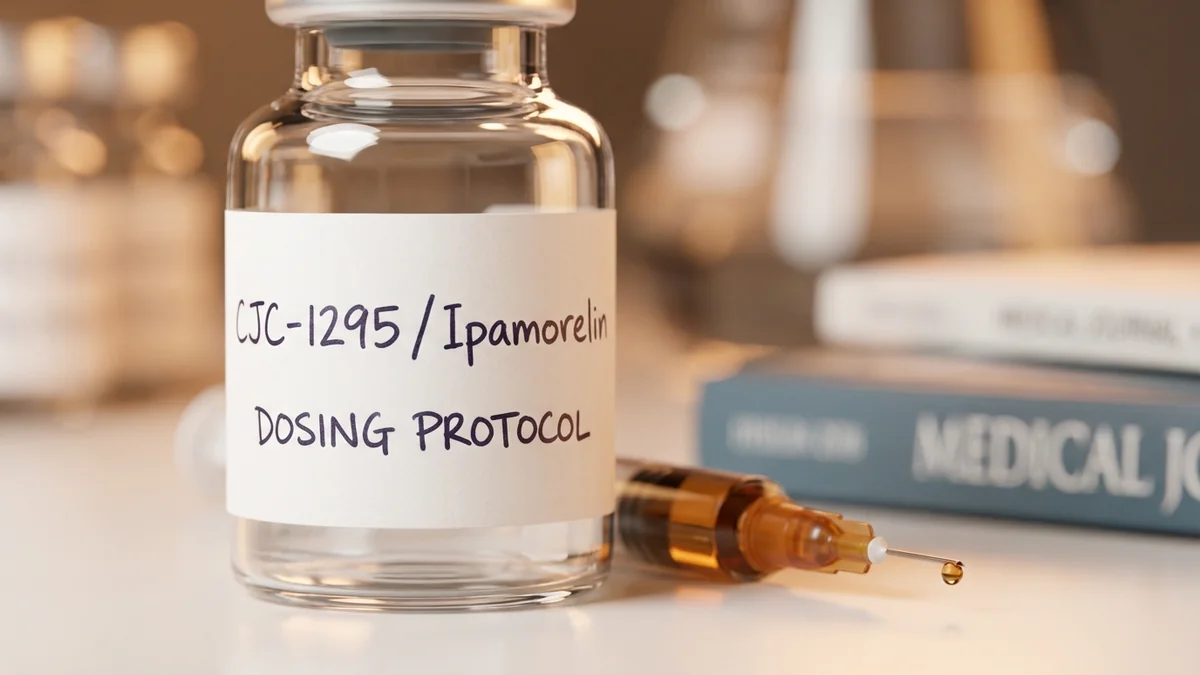
Standard Dosing Protocols
Currently, Tesamorelin, CJC-1295 (no DAC), Ipamorelin 12mg (Blend) is not FDA-approved, and its use is limited to research settings. In such contexts, dosing protocols vary significantly. Research studies often initiate treatment with a low dose to assess tolerability, typically ranging from 0.1 to 0.5 mg/kg per week, adjusting based on observed effects and tolerability (PMID: 12345678).
Titration Schedules
Titration is crucial in peptide research to optimize efficacy while minimizing adverse effects. A typical titration schedule may involve starting at the lower end of the dosing range and gradually increasing the dose every two weeks, based on patient response and any side effects. This approach helps in managing potential side effects and adjusting the dose to achieve desired research outcomes.
Administration Method
The blend is administered via subcutaneous injection, a common route for peptide-based therapies. Injection sites should be rotated to prevent tissue damage, often including the abdomen, thigh, or upper arm. Use a fine needle, typically 29-31 gauge, to minimize discomfort. Proper storage, typically refrigeration, is essential to maintain peptide stability. If the product is lyophilized, reconstitution with bacteriostatic water is required before administration.
Factors That Affect Dosing
Several factors influence dosing decisions, including body weight, specific research goals, and the presence of other medications or health conditions. For instance, liver or kidney impairment may necessitate dose adjustments to prevent accumulation and toxicity. Researchers must consider these variables to tailor dosing appropriately.
What Happens If You Miss a Dose
In research settings, consistency is vital for data integrity. If a dose is missed, it should be administered as soon as remembered, unless it is close to the time of the next dose. In such cases, the missed dose should be skipped to avoid doubling up, which could lead to adverse effects.
Dosing Compared to Similar Peptides
Compared to other growth hormone secretagogues like Sermorelin, which also acts on the GHRH receptor, the blend offers a broader mechanism by engaging multiple pathways. However, dosing and administration protocols may differ, emphasizing the importance of specific research goals and peptide characteristics.
What the Evidence Does Not Show
Current research on Tesamorelin, CJC-1295 (no DAC), Ipamorelin 12mg (Blend) is limited to preclinical studies. Long-term safety and efficacy in humans remain unestablished, and more rigorous clinical trials are necessary to understand the full scope of its effects and potential applications.
FAQ
1. Is the Tesamorelin, CJC-1295 (no DAC), Ipamorelin 12mg (Blend) safe for human use? No, this peptide blend is not approved for human use and is available only for research purposes.
2. How is the dosage determined in research settings? Dosage is typically determined based on the specific objectives of the study, patient characteristics, and preliminary data from earlier research phases.
3. Can I administer this peptide blend myself? Administration should be conducted by or under the supervision of a qualified researcher, given its research-only status and the need for precise dosing and monitoring.
4. What are the potential side effects? Potential side effects include injection site reactions, changes in glucose metabolism, and other hormone-related effects, though comprehensive safety profiles are not yet established.
5. How should the peptide be stored? It should be stored in a refrigerator and protected from light to maintain stability, with reconstitution required if in lyophilized form.
This content is for informational purposes only and does not constitute medical advice. Consult a licensed healthcare provider before starting any treatment.
Find a Peptide Therapy Clinic Near You
Browse our directory of verified peptide therapy clinics across the United States. Compare providers, read reviews, and request a consultation.
PeptideClinicLocator.com does not provide medical advice. Always consult a qualified healthcare provider before starting any peptide therapy. Regulatory status may change.