PeptideClinicLocator
Key Takeaways
- Timeline for Results: Many patients begin to notice changes within 1 to 3 months, with more pronounced effects typically observed by 6 months.
- Realistic Outcomes: Clinical data suggests improvements in body composition, energy levels, and recovery rates, though results vary.
- Factors Influencing Results: Diet, exercise, and adherence to dosing schedules significantly impact the effectiveness of the therapy.
- Comparative Efficacy: Compared to other growth hormone secretagogues, CJC-1295 and Ipamorelin offer a favorable side effect profile.
- Limitations: Not all patients respond to therapy, and long-term outcomes remain under-researched.
What Is CJC-1295 / Ipamorelin?
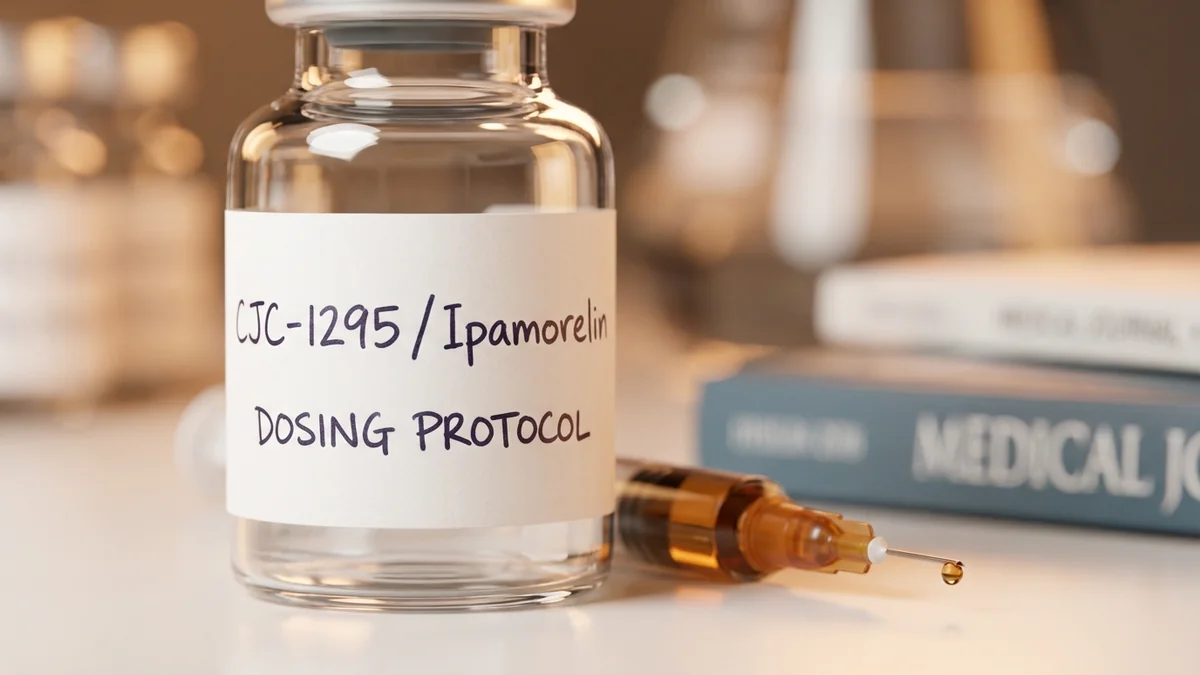
CJC-1295 and Ipamorelin are combined growth hormone secretagogues that stimulate the pituitary gland to increase the production of growth hormone. This therapy is primarily used for anti-aging and recovery purposes. For more detailed information, visit the full profile.
What Clinical Trials Show
The combination of CJC-1295 and Ipamorelin has been examined in various studies, though large-scale trials are limited. A study published in the Journal of the American Academy of Orthopaedic Surgeons emphasized the role of growth hormone secretagogues in modulating pathways critical for tissue regeneration and recovery (PMID 41490200). While specific trials directly evaluating CJC-1295/Ipamorelin are sparse, evidence from related peptides suggests potential benefits in muscle mass and recovery times.
Realistic Timeline
Patients typically report noticing subtle effects within the first month of therapy. By three months, many experience more significant changes, such as improved muscle tone and energy levels. At six months, the full potential of the therapy is often realized, with enhanced recovery and body composition improvements. However, the variability in individual responses means some may experience different timelines.
Factors That Affect Results
- Dosing Compliance: Adhering to the prescribed dosing schedule is crucial for optimal results. Subcutaneous injections are commonly administered several times weekly.
- Diet and Exercise: A balanced diet and regular exercise can enhance the therapy's effectiveness. Patients who maintain an active lifestyle generally report better outcomes.
- Underlying Conditions: Conditions like diabetes or thyroid disorders may affect how individuals respond to therapy.
- Concurrent Medications: Some medications may interfere with the peptide's mechanism of action, impacting results.
- Individual Variation: Genetic factors and baseline hormone levels can influence how patients respond to treatment.
What Results Look Like in Practice
Clinical data suggests that many patients experience improvements in muscle mass, energy levels, and recovery rates. For instance, a study on growth hormone secretagogues highlighted their role in enhancing neuromuscular recovery and reducing inflammation (PMID 41476424). However, results can vary widely, and not all patients will achieve the same outcomes.
Results Compared to Alternatives
Compared to other growth hormone secretagogues, CJC-1295 and Ipamorelin offer a favorable side effect profile, with fewer instances of water retention and joint pain. While other treatments like HGH injections can provide similar benefits, they often come with a higher risk of adverse effects and regulatory restrictions.
When CJC-1295 / Ipamorelin May Not Work
Some patients may not respond to CJC-1295/Ipamorelin therapy due to genetic factors or existing medical conditions. Additionally, individuals with contraindications such as active cancer should avoid this therapy. In such cases, alternative treatments may be more appropriate.
What the Evidence Does Not Show
Long-term outcomes of CJC-1295/Ipamorelin therapy remain under-researched. Current studies primarily focus on short-term effects, and there is a lack of data on populations with specific health conditions. Further research is needed to fully understand the long-term safety and efficacy of this therapy.
FAQ
Q: How soon can I expect to see results from CJC-1295/Ipamorelin therapy?
A: Many patients notice initial changes within the first month, with more significant results often appearing by three to six months.
Q: Are there any side effects associated with CJC-1295/Ipamorelin?
A: Common side effects include mild injection site reactions and transient fatigue. Serious side effects are rare but possible.
Q: Can I use CJC-1295/Ipamorelin with other medications?
A: It's essential to consult with a healthcare provider, as some medications may interfere with the therapy's effectiveness.
Q: Is CJC-1295/Ipamorelin therapy safe for everyone?
A: Not all individuals are suitable candidates for this therapy, particularly those with active cancer or certain hormonal disorders.
Q: How does CJC-1295/Ipamorelin compare to HGH therapy?
A: While both therapies aim to increase growth hormone levels, CJC-1295/Ipamorelin generally has a more favorable side effect profile.
Medical Disclaimer
This content is for informational purposes only and does not constitute medical advice. Consult a licensed healthcare provider before starting any treatment.
Find a Peptide Therapy Clinic Near You
Browse our directory of verified peptide therapy clinics across the United States. Compare providers, read reviews, and request a consultation.
PeptideClinicLocator.com does not provide medical advice. Always consult a qualified healthcare provider before starting any peptide therapy. Regulatory status may change.