PeptideClinicLocator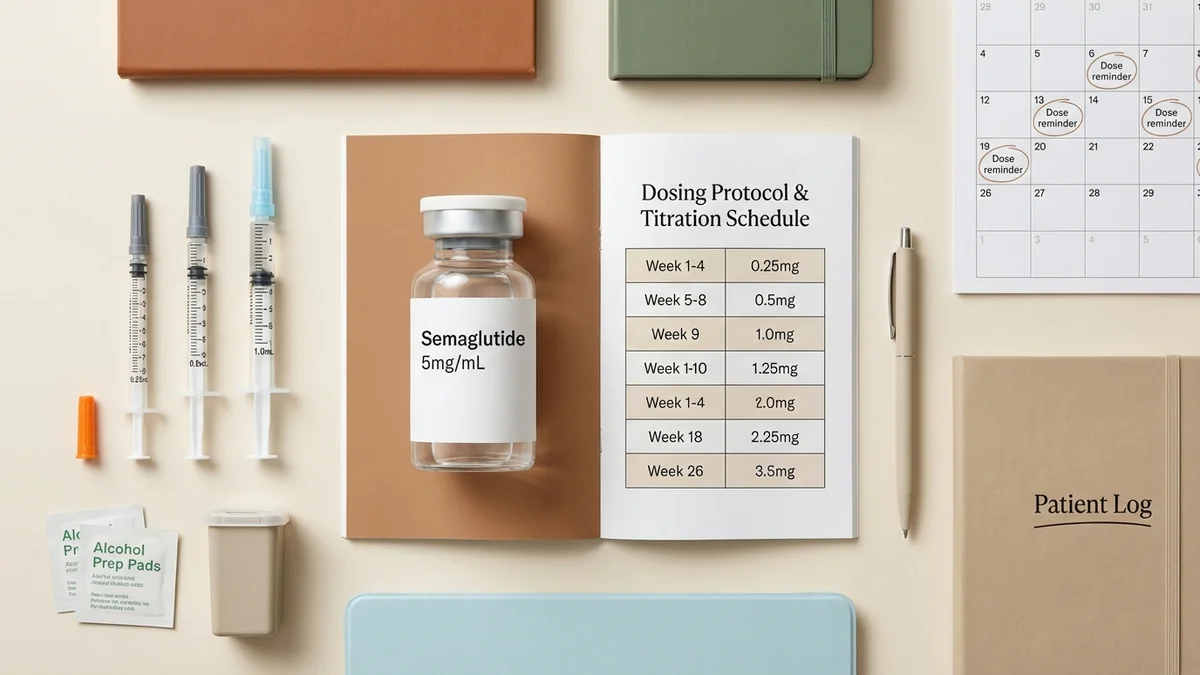
Key Takeaways
- Semaglutide dosing typically begins at 0.25 mg per week, titrating up to 2.4 mg weekly for weight management.
- Titration is crucial to minimize gastrointestinal side effects and improve tolerability.
- Administration is via subcutaneous injection, commonly in the abdomen, thigh, or upper arm.
- Medical supervision is essential for adjusting doses based on individual factors like body weight and concurrent medications.
What Is Semaglutide?
Semaglutide is a glucagon-like peptide-1 (GLP-1) receptor agonist approved by the FDA for managing weight loss and type 2 diabetes. It functions by mimicking the GLP-1 hormone, enhancing insulin secretion, and slowing gastric emptying, which aids in reducing appetite (PMID 26308095).
Standard Dosing Protocols
Semaglutide is FDA-approved for both weight loss and diabetes management, with dosing protocols reflecting these uses. For weight management, the typical dosing begins with 0.25 mg weekly for four weeks, titrating up to 2.4 mg, based on tolerability and efficacy (FDA prescribing information). In diabetes treatment, doses may start at 0.5 mg weekly, increasing to 1 mg weekly, depending on glycemic control needs.
Titration Schedules
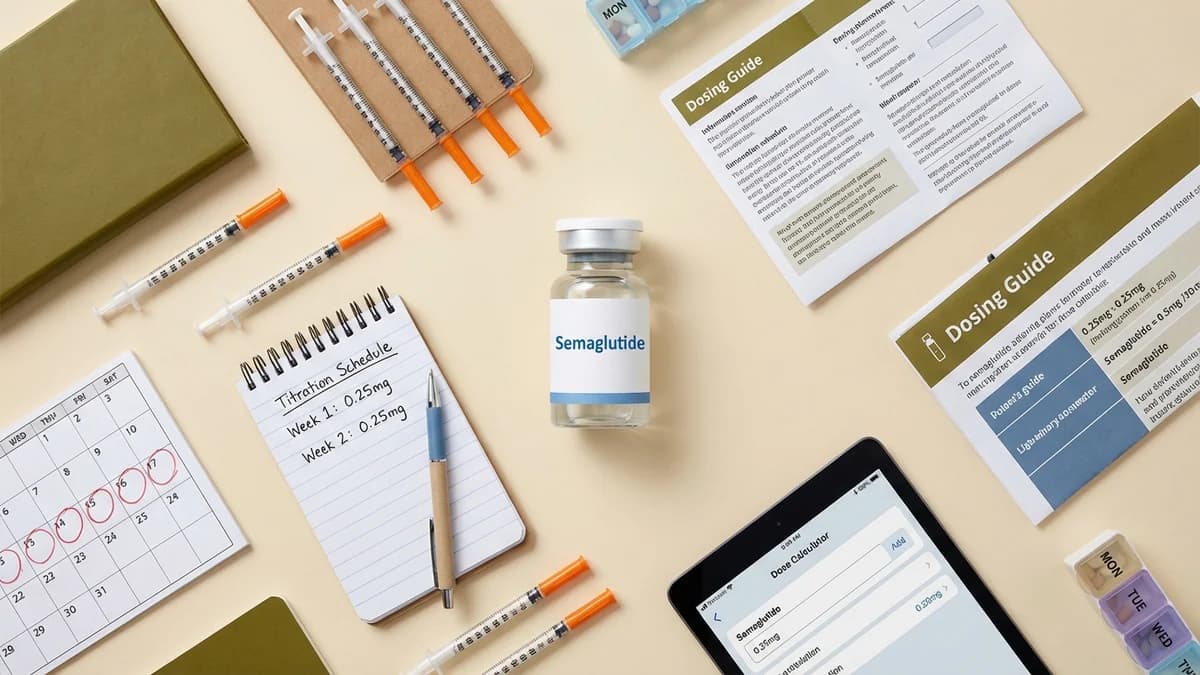
Titration is a critical component of semaglutide therapy, designed to enhance patient tolerability and minimize side effects such as nausea and diarrhea. The STEP 1 trial (NCT03548935) recommends a gradual increase from 0.25 mg to 2.4 mg over several weeks. This approach allows the body to adapt to semaglutide's effects, improving overall treatment adherence and outcomes.
Administration Method
Semaglutide is administered via subcutaneous injection, typically in the abdomen, thigh, or upper arm. The recommended needle gauge is 29-31, and injections should be rotated among sites to prevent skin irritation. Semaglutide pens should be stored in a refrigerator and protected from light until use. Patients are advised to allow the pen to reach room temperature before injecting to reduce discomfort.
Factors That Affect Dosing
Dosing adjustments may be necessary based on individual patient factors, including body weight, metabolic response, and concurrent medications. For instance, patients with renal or hepatic impairment may require modified dosing. Additionally, the presence of other medications that influence blood glucose levels can impact semaglutide efficacy and necessitate dose adjustments.
What Happens If You Miss a Dose
If a dose of semaglutide is missed, it should be administered as soon as possible within five days after the missed dose. If more than five days have elapsed, patients should skip the missed dose and resume the regular schedule. Consistency in dosing is vital for maintaining therapeutic effects and achieving desired outcomes.
Dosing Compared to Similar Peptides
Semaglutide is often compared to other GLP-1 receptor agonists like liraglutide and tirzepatide. For example, liraglutide is administered daily at doses of 1.2 mg to 3 mg, while tirzepatide, a dual GLP-1 and GIP receptor agonist, is under investigation for weekly dosing (PMID 34170647). Both alternatives have different dosing frequencies and side effect profiles, which may influence treatment choice.
What the Evidence Does Not Show
Long-term safety and efficacy data for semaglutide dosing in diverse populations remain incomplete. While current studies, such as the SUSTAIN and STEP trials, provide valuable insights, the long-term impact on cardiovascular health and sustained weight loss over several years requires further investigation (PMID 34305810).
FAQ
What is the starting dose for semaglutide in weight management?
The starting dose for semaglutide in weight management is typically 0.25 mg weekly, titrated to 2.4 mg based on patient tolerance and response.
Can semaglutide be taken orally?
While semaglutide is available in both subcutaneous and oral formulations, the dosing and administration protocol discussed here pertains to the injectable form (PMID 34305810).
How should semaglutide be stored?
Semaglutide should be stored in a refrigerator between 2°C and 8°C and protected from light. It should not be frozen, and pens can be kept at room temperature for up to 56 days once in use.
How does semaglutide compare with liraglutide in dosing frequency?
Unlike semaglutide's once-weekly dosing, liraglutide requires daily administration, which may affect patient adherence and overall convenience.
Is semaglutide safe for patients with kidney disease?
Patients with kidney disease should consult their healthcare provider for tailored dosing recommendations, as semaglutide's effects on renal function may necessitate dose adjustments.
This content is for informational purposes only and does not constitute medical advice. Consult a licensed healthcare provider before starting any treatment.
Find a Peptide Therapy Clinic Near You
Browse our directory of verified peptide therapy clinics across the United States. Compare providers, read reviews, and request a consultation.
PeptideClinicLocator.com does not provide medical advice. Always consult a qualified healthcare provider before starting any peptide therapy. Regulatory status may change.