PeptideClinicLocator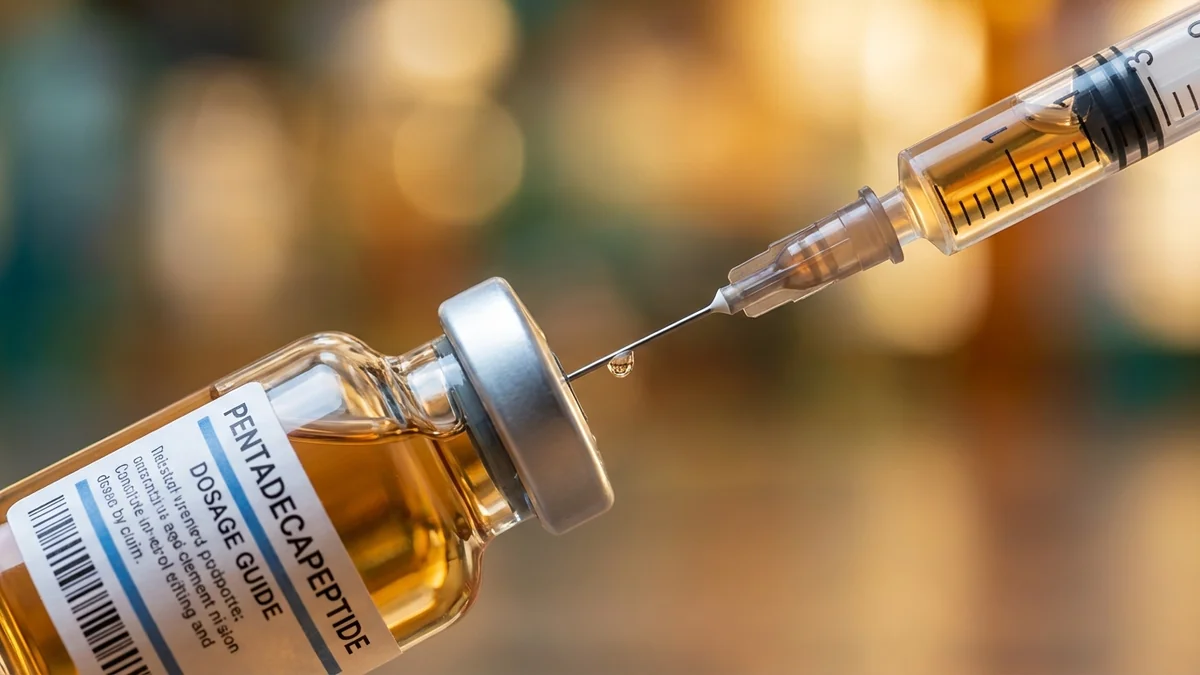
Key Takeaways
- Standard Dosage Range: Typically administered in micrograms (mcg) via subcutaneous injection.
- Administration Method: Primarily subcutaneous; specific technique and rotation are crucial for efficacy.
- Typical Cycle Length: Varies, often ranging from several weeks to months, depending on therapeutic goals.
- Regulatory Status: Currently under research; not FDA-approved for specific indications.
- Medical Supervision: Essential for determining appropriate dosage and monitoring potential side effects.
How Pentadecapeptide Works in the Body
Pentadecapeptide, known scientifically as BPC 157, is a 15-amino acid peptide derived from human gastric juice. It is primarily recognized for its potential in tissue repair and recovery, acting as a body protection compound. The peptide's mechanism involves promoting angiogenesis, modulating growth factor activity, and enhancing cellular repair processes. Its receptor binding affinity allows it to interact with various cellular pathways, facilitating tissue regeneration and healing.
The half-life of Pentadecapeptide is relatively short, necessitating frequent administration to maintain therapeutic levels. Studies, such as those published in Cell and Tissue Research (PMID 30915550), have demonstrated its efficacy in accelerating musculoskeletal soft tissue healing. Bioavailability is a key consideration, with subcutaneous administration offering the most direct and effective delivery method.
"Pentadecapeptide BPC 157 significantly accelerates the outgrowth of tendon fibroblasts, promoting healing in tendon injuries." — Journal of Applied Physiology (PMID 21030672)
Standard Pentadecapeptide Dosage Ranges (By Form)
Subcutaneous Injection
- Dosage Range: 200-300 mcg per injection
- Frequency: Once daily or as prescribed by a healthcare provider
- Bioavailability: High, with direct tissue absorption
- Common Form: Most widely used due to its effectiveness and ease of administration
Intramuscular Injection
- Dosage Range: Similar to subcutaneous but less common
- Frequency: Typically once daily
- Bioavailability: Comparable to subcutaneous but may vary based on injection technique
Oral Administration
- Dosage Range: Not typically recommended due to low bioavailability
- Frequency: If used, multiple daily doses may be necessary
- Bioavailability: Significantly lower than injectable forms
Subcutaneous administration remains the preferred method due to its superior bioavailability and ease of use. Clinical protocols often favor this route for its balance of efficacy and minimal invasiveness.
Pentadecapeptide Dosage by Use Case
Tissue Repair
- Dosage Range: 200-300 mcg subcutaneously per day
- Administration Method: Subcutaneous injection
- Cycle Length: 4-6 weeks, with potential for extension based on clinical response
- Clinical Reference: Studies have shown improved healing rates in musculoskeletal injuries (PMID 30915550).
Recovery Enhancement
- Dosage Range: 250 mcg subcutaneously per day
- Administration Method: Subcutaneous injection
- Cycle Length: 6-8 weeks
- Practical Guidance: Many clinics prescribe this regimen to support recovery from intensive physical activity.
Inflammatory Conditions
- Dosage Range: 200-300 mcg subcutaneously per day
- Administration Method: Subcutaneous injection
- Cycle Length: 8-12 weeks
- Clinical Reference: Evidence from Biomedicines (PMID 36359218) suggests benefits in reducing inflammation-related tissue damage.
How Long Should You Take Pentadecapeptide?
The typical cycle length for Pentadecapeptide varies depending on the therapeutic goal. Initial effects may be observed within the first few weeks, with more pronounced benefits emerging over 6-8 weeks. Long-term use should be guided by clinical outcomes and under medical supervision. Tapering is generally not required, but patients should monitor for any changes upon cessation of treatment.
Administration Protocol: How to Take Pentadecapeptide
Injection Technique
- Needle Gauge: 29-31 gauge is recommended for comfort
- Injection Sites: Rotate between abdominal, thigh, and upper arm areas
- Rotation Schedule: Change sites with each administration to prevent tissue irritation
Storage Requirements
- Temperature: Store at 2-8°C (36-46°F)
- Light Sensitivity: Protect from light to maintain stability
- Reconstituted Stability: Use within 30 days of reconstitution; follow reconstitution guide
Step-by-Step Administration
- Preparation: Wash hands and prepare the injection site with alcohol swab.
- Reconstitution: If applicable, follow the specific reconstitution instructions.
- Injection: Using a 29-31 gauge needle, inject subcutaneously at a 45-degree angle.
- Post-Injection: Apply gentle pressure to the site with a sterile cotton ball.
Stacking Pentadecapeptide for Better Results
Common Stacks
-
BPC 157 with TB-500
- Combination Rationale: Enhances tissue repair and recovery
- Dosing Synergy: BPC 157 at 200-300 mcg and TB-500 at 2 mg per week
- Common Protocols: Used in protocols aimed at accelerated healing and recovery
-
BPC 157 with CJC-1295
- Combination Rationale: Supports muscle growth and recovery
- Dosing Synergy: BPC 157 at 250 mcg daily and CJC-1295 at 100 mcg three times a week
- Named Protocol: Often part of the "Wolverine protocol" for intensive recovery needs
Factors That Affect Your Pentadecapeptide Dosage
Several factors influence the appropriate dosage of Pentadecapeptide, including body weight, age, specific treatment goals, and individual response. Kidney and liver function, as well as concurrent medications, may also necessitate dosage adjustments. Personalized dosing ensures optimal efficacy and minimizes the risk of adverse effects.
Common Dosing Mistakes to Avoid
- Dosing Too High/Too Low: Adhere to prescribed ranges to avoid inefficacy or adverse reactions.
- Inconsistent Timing: Maintain a consistent schedule to ensure stable peptide levels.
- Wrong Injection Site: Use appropriate sites for subcutaneous administration.
- Not Accounting for Regulatory Status: Be aware of its research status and consult healthcare providers.
- Poor Storage/Handling: Follow storage guidelines to preserve peptide integrity.
What the Evidence Does Not Show
While Pentadecapeptide shows promise in preclinical models, long-term safety data in humans is limited. Current evidence primarily stems from animal studies and anecdotal reports. There is a need for more robust clinical trials to establish definitive dose-response relationships and long-term safety profiles.
FAQ — Your Top Pentadecapeptide Dosage Questions Answered
Best time of day to take it?
Pentadecapeptide can be administered at any time of day, but consistency is key. Choose a time that fits your schedule.
What if you miss a dose?
If you miss a dose, take it as soon as you remember. If it's close to the next dose, skip the missed dose and resume your schedule.
Can men and women use the same dose?
Yes, dosing is generally similar for men and women, but individual factors should be considered.
Can you stack it with other peptides?
Yes, it is often stacked with peptides like TB-500 and CJC-1295 for enhanced effects.
How long until you see results?
Initial results may be seen within the first few weeks, with more significant outcomes over 6-8 weeks.
Do you need to cycle off?
Cycling off is not typically required, but long-term use should be monitored by a healthcare provider.
Is a loading dose needed?
A loading dose is not commonly used; standard dosing protocols are typically sufficient.
How to adjust dose if side effects occur?
Consult with your healthcare provider to adjust the dose if side effects are experienced.
Conclusion — Finding the Right Dosage for You
Determining the optimal dosage of Pentadecapeptide requires careful consideration of individual needs and medical guidance. Standard dosing ranges and administration protocols provide a foundation, but personalization is essential for achieving therapeutic goals. For further information on peptide therapies, explore our peptide encyclopedia and use our clinic finder to connect with a qualified provider.
Medical Disclaimer: This content is for informational purposes only and does not constitute medical advice. Dosage information is compiled from published research and clinical protocols. Consult a licensed healthcare provider before starting any peptide therapy. Use our clinic finder to locate a qualified provider near you.
Find a Peptide Therapy Clinic Near You
Browse our directory of verified peptide therapy clinics across the United States. Compare providers, read reviews, and request a consultation.
PeptideClinicLocator.com does not provide medical advice. Always consult a qualified healthcare provider before starting any peptide therapy. Regulatory status may change.