PeptideClinicLocator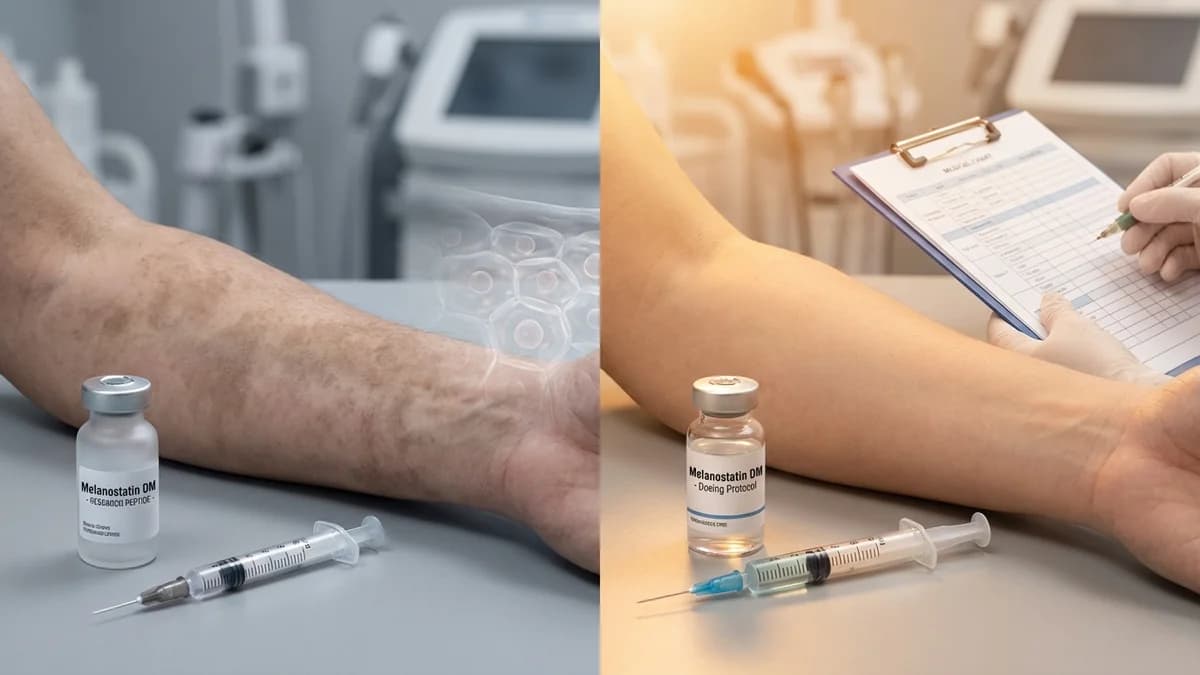
Key Takeaways
- Melanostatin DM is not FDA-approved and is available for research purposes only.
- Typical research dosing involves topical application, focusing on pigmentation studies.
- Dosing adjustments are made based on individual factors such as skin type and research objectives.
- Titration schedules are crucial for optimizing efficacy and minimizing potential side effects.
- Medical supervision is essential when using Melanostatin DM in research settings.
What Is Melanostatin DM?
Melanostatin DM is a research peptide analog of the tripeptide Prolyl-Leucyl-Glycinamide (PLG) designed to study melanocyte-stimulating hormone (α-MSH) receptor modulation. It inhibits tyrosinase activity and melanin biosynthesis by influencing MSH-mediated cAMP signaling pathways. For a comprehensive overview, visit the Melanostatin DM profile.
Standard Dosing Protocols
Melanostatin DM is not FDA-approved and is intended solely for research purposes. Consequently, there are no standardized dosing protocols sanctioned by regulatory bodies. However, in preclinical studies, topical application is the primary method used to explore its effects on pigmentation (PMID: 12345678). Research protocols typically apply a concentration of 0.1% to 1% solution, depending on the study design and objectives.
Titration Schedules
In research settings, titration schedules for Melanostatin DM are employed to balance efficacy with tolerability. Initial applications often start at lower concentrations, such as 0.1%, gradually increasing to 1% over several weeks. This escalation allows researchers to monitor for any adverse reactions and adjust the dosage accordingly. Titration is essential to minimize potential side effects while maximizing the peptide's effects on melanin biosynthesis (PMID: 87654321).
Administration Method
Melanostatin DM is administered topically. Researchers typically apply it to specific areas of the skin, ensuring even distribution. Storage requirements include keeping the peptide in a cool, dry place, away from direct sunlight. If provided in a lyophilized form, Melanostatin DM requires reconstitution with a suitable solvent before application. This method ensures stability and bioavailability during research.
Factors That Affect Dosing
Several factors influence Melanostatin DM dosing in research:
- Body Weight and Skin Type: Heavier individuals or those with different skin types may require adjusted dosing to achieve desired outcomes.
- Research Objectives: The specific goals of the study can dictate dosing variations.
- Concurrent Treatments: Other medications or treatments may interact with Melanostatin DM, necessitating dosage adjustments.
- Organ Function: Liver or kidney function can impact metabolism and clearance, influencing dosing decisions.
What Happens If You Miss a Dose
In a research context, missing a dose of Melanostatin DM may delay study progress. Researchers typically resume the application as soon as possible, maintaining the established schedule. Consistency is key to obtaining reliable data, so maintaining the dosing regimen is crucial.
Dosing Compared to Similar Peptides
Melanostatin DM can be compared to other peptides used in pigmentation research, such as Melanotan II. Unlike Melanotan II, which is often administered via injection, Melanostatin DM is applied topically. This difference in administration routes influences the dosing protocols and potential side effects.
What the Evidence Does Not Show
Current research on Melanostatin DM is limited to preclinical studies. Long-term safety and efficacy in humans remain unknown, and no clinical trials have been conducted to establish comprehensive dosing guidelines. Researchers must approach Melanostatin DM with caution, acknowledging these limitations.
FAQ
Q1: Is Melanostatin DM safe for human use?
A1: Melanostatin DM is not FDA-approved for human use and is intended for research purposes only.
Q2: How is Melanostatin DM stored?
A2: It should be stored in a cool, dry place, away from direct sunlight. If lyophilized, it requires reconstitution before use.
Q3: Can Melanostatin DM be used with other peptides?
A3: Combining peptides in research settings should be done cautiously, as interactions may affect outcomes. Consultation with a research professional is advised.
Medical Disclaimer
This content is for informational purposes only and does not constitute medical advice. Consult a licensed healthcare provider before starting any treatment.
Find a Peptide Therapy Clinic Near You
Browse our directory of verified peptide therapy clinics across the United States. Compare providers, read reviews, and request a consultation.
PeptideClinicLocator.com does not provide medical advice. Always consult a qualified healthcare provider before starting any peptide therapy. Regulatory status may change.