PeptideClinicLocator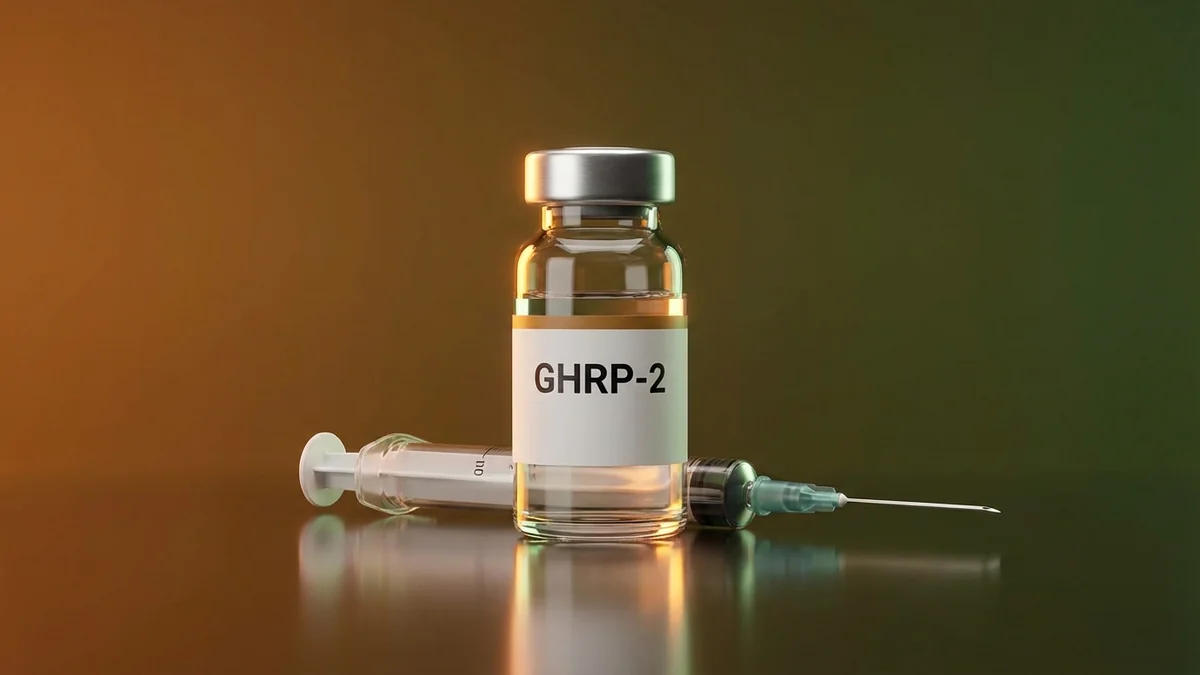
Key Takeaways
- GHRP-2 is not FDA-approved and is available for research purposes only.
- Typical dosing ranges from 100 to 300 mcg per day, often divided into multiple doses.
- Titration is crucial for balancing efficacy and tolerability.
- Subcutaneous injection is the common administration method, requiring careful site rotation.
- Medical supervision is essential due to potential side effects and contraindications.
What Is GHRP-2?
GHRP-2, or Growth Hormone Releasing Peptide-2, is a synthetic hexapeptide that functions as a growth hormone secretagogue. It binds to the ghrelin receptor (GHS-R1a) to activate signaling pathways that promote growth hormone release. Despite its potential, GHRP-2 is not FDA-approved and is designated for research purposes only. For more details, visit the full profile.
Standard Dosing Protocols
GHRP-2 lacks FDA-approved dosing guidelines, as it is primarily used in research settings. However, clinical studies and anecdotal reports suggest a typical dosing range of 100 to 300 micrograms per day, often divided into two or three doses. For instance, a study published in "Drugs in R&D" (PMID 15230633) explored various administration formats, including subcutaneous injections.
Titration Schedules
Titration is a critical component of GHRP-2 dosing to ensure both efficacy and tolerability. Patients may start at a lower dose, such as 100 mcg per day, and gradually increase over several weeks to reach the target dose. This gradual increase helps mitigate potential side effects and allows the body to adjust to the peptide.
Administration Method
GHRP-2 is commonly administered via subcutaneous injection. Patients should rotate injection sites to prevent tissue damage, using areas such as the abdomen, thigh, or upper arm. A fine needle gauge, such as 29-31, is recommended for comfort. GHRP-2 must be stored in a cool, dry place and reconstituted with bacteriostatic water before use.
Factors That Affect Dosing
Dosing adjustments for GHRP-2 may depend on several factors, including body weight, treatment goals, and concurrent medications. For instance, individuals with impaired liver or kidney function may require modified dosing. A healthcare provider will evaluate these factors to tailor the dosing regimen appropriately.
What Happens If You Miss a Dose
If a dose of GHRP-2 is missed, it is generally advised to take it as soon as remembered unless it is close to the time for the next dose. In such cases, skip the missed dose to avoid doubling up. Consistency is key to maintaining stable peptide levels and achieving desired outcomes.
Dosing Compared to Similar Peptides
Compared to other growth hormone secretagogues like Ipamorelin, GHRP-2 has a similar dosing range but may differ in receptor affinity and side effect profiles. Ipamorelin is often preferred for its lower incidence of side effects, making it a popular choice in clinical settings.
What the Evidence Does Not Show
Current research on GHRP-2 dosing is limited, with most studies focusing on short-term effects. Long-term safety and efficacy remain underexplored, necessitating cautious use under medical supervision. The lack of FDA approval underscores the need for further clinical trials.
FAQ
What is the typical dosing range for GHRP-2?
The typical dosing range for GHRP-2 is 100 to 300 mcg per day, divided into multiple doses.
How is GHRP-2 administered?
GHRP-2 is administered via subcutaneous injection, with careful rotation of injection sites recommended.
Can GHRP-2 dosing be adjusted?
Yes, dosing can be adjusted based on individual factors like body weight, treatment goals, and liver/kidney function.
Is GHRP-2 safe for long-term use?
Long-term safety data for GHRP-2 is limited, emphasizing the need for medical supervision and further research.
What should I do if I miss a dose of GHRP-2?
If you miss a dose, take it as soon as possible unless it's near the next scheduled dose. Avoid doubling up doses.
This content is for informational purposes only and does not constitute medical advice. Consult a licensed healthcare provider before starting any treatment.
Find a Peptide Therapy Clinic Near You
Browse our directory of verified peptide therapy clinics across the United States. Compare providers, read reviews, and request a consultation.
PeptideClinicLocator.com does not provide medical advice. Always consult a qualified healthcare provider before starting any peptide therapy. Regulatory status may change.