PeptideClinicLocator
Key Takeaways
- Sermorelin is a growth hormone-releasing hormone (GHRH) analog used primarily for anti-aging and growth hormone deficiencies.
- It is FDA-approved for compounding and administered via subcutaneous injection.
- Common side effects include injection site reactions and headaches, though these are typically mild.
- Sermorelin is legal for medical use but prohibited in sports by WADA.
- Treatment timelines vary, but many patients report noticeable changes within a few months.
About Sermorelin
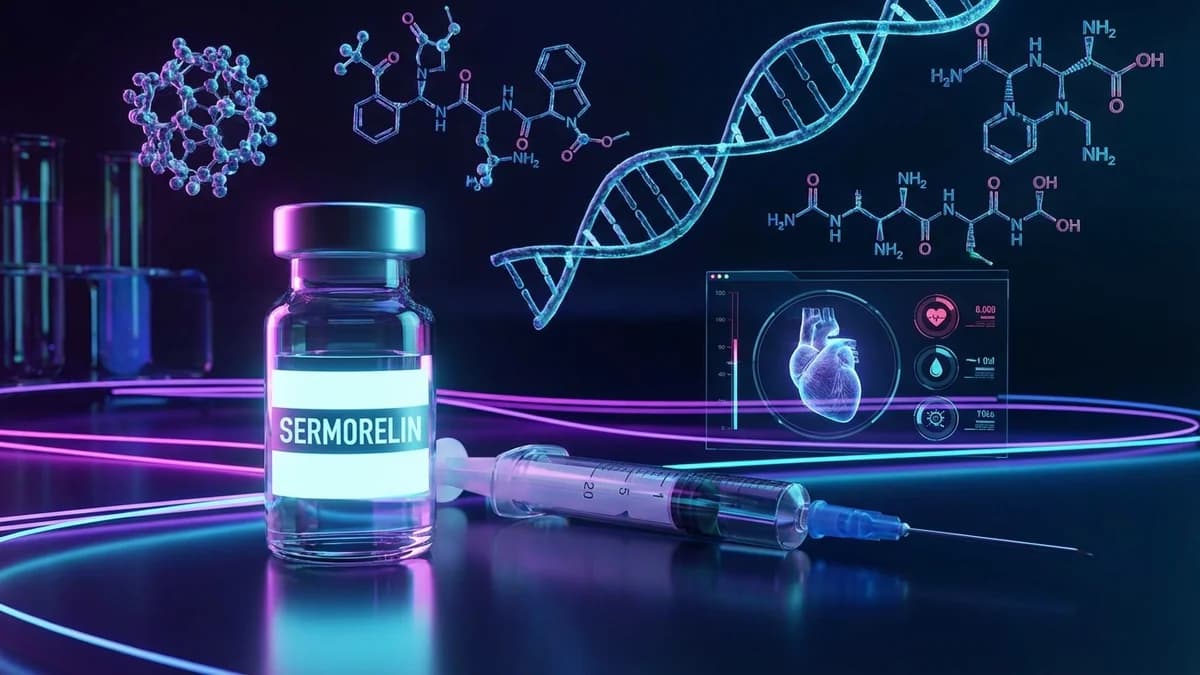
Sermorelin is a synthetic analog of growth hormone-releasing hormone (GHRH) used to stimulate the pituitary gland to produce more growth hormone. For detailed information, visit the full profile.
Frequently Asked Questions
What is Sermorelin?
Sermorelin is a peptide analog of growth hormone-releasing hormone (GHRH), designed to stimulate the pituitary gland to increase natural growth hormone production. It is primarily used to address growth hormone deficiencies and is classified under growth hormone secretagogues (PMID 32257855).
Is Sermorelin FDA approved?
Yes, Sermorelin is FDA-approved for compounding, meaning it can be used in customized formulations prepared by licensed pharmacies. It is not, however, approved for commercial sale in pre-packaged form (FDA.gov).
What are the side effects of Sermorelin?
Common side effects of Sermorelin include injection site reactions, headaches, and flushing. These side effects are usually mild and transient. Serious side effects are rare but may include allergic reactions (PMID 18046908).
How is Sermorelin administered?
Sermorelin is administered through subcutaneous injections, typically in the abdominal area. Injection sites should be rotated to minimize irritation. Dosages are personalized based on clinical assessment (PMID 41490200).
How much does Sermorelin cost?
The cost of Sermorelin varies widely depending on the pharmacy and the specific formulation needed. On average, patients might expect to pay between $200 and $500 per month for treatment, but prices can vary.
Is Sermorelin legal?
Sermorelin is legal for medical use when prescribed by a licensed healthcare provider. However, it is banned in competitive sports by the World Anti-Doping Agency (WADA) due to its performance-enhancing potential (PMID 37806509).
How long does it take for Sermorelin to work?
The timeline for Sermorelin's effects can vary, but many patients report improvements in energy, sleep quality, and body composition within 3 to 6 months of consistent use (PMID 18046908).
Can I get Sermorelin at a clinic near me?
Yes, Sermorelin is available at many peptide therapy clinics across the United States. Use our clinic finder to locate a clinic near you that offers Sermorelin therapy.
What is the difference between Sermorelin and [related peptide]?
Sermorelin and related peptides like CJC-1295 both stimulate growth hormone release, but they differ in their molecular structure and duration of action. Sermorelin has a shorter half-life and is often used for more immediate effects (PMID 41490200).
Who should not take Sermorelin?
Individuals with a history of hypersensitivity to Sermorelin or any of its components should avoid its use. It is also not recommended for individuals with active cancer or those who are pregnant or breastfeeding (FDA.gov).
Can Sermorelin help with weight loss?
While Sermorelin is not specifically approved for weight loss, some patients report improved body composition and fat reduction as a result of enhanced growth hormone levels (PMID 32257855).
Is Sermorelin used for anti-aging purposes?
Yes, Sermorelin is often used in anti-aging therapies to enhance vitality, improve sleep, and increase muscle mass, although these uses are considered off-label (PMID 18046908).
Does Sermorelin improve sleep quality?
Many patients report improved sleep quality with Sermorelin therapy, likely due to increased growth hormone levels, which play a role in sleep regulation (PMID 18046908).
Are there any dietary restrictions while taking Sermorelin?
There are no specific dietary restrictions, but maintaining a balanced diet can support the effectiveness of peptide therapy. Patients should discuss dietary concerns with their healthcare provider (PMID 41490200).
How does Sermorelin compare to HGH therapy?
Sermorelin stimulates the body's natural production of growth hormone, whereas HGH therapy involves direct administration of synthetic growth hormone. Sermorelin is often preferred for its more natural approach and lower risk of side effects (PMID 32257855).
What should I discuss with my doctor before starting Sermorelin?
Before starting Sermorelin, discuss your medical history, any current medications, and your treatment goals with your healthcare provider to ensure it is an appropriate therapy for you (FDA.gov).
Where to Learn More
For more detailed information on Sermorelin, visit the full profile and explore related articles on our website. To find a clinic offering Sermorelin therapy, use our clinic finder.
Medical Disclaimer
This content is for informational purposes only and does not constitute medical advice. Consult a licensed healthcare provider before starting any treatment.
Find a Peptide Therapy Clinic Near You
Browse our directory of verified peptide therapy clinics across the United States. Compare providers, read reviews, and request a consultation.
PeptideClinicLocator.com does not provide medical advice. Always consult a qualified healthcare provider before starting any peptide therapy. Regulatory status may change.