PeptideClinicLocator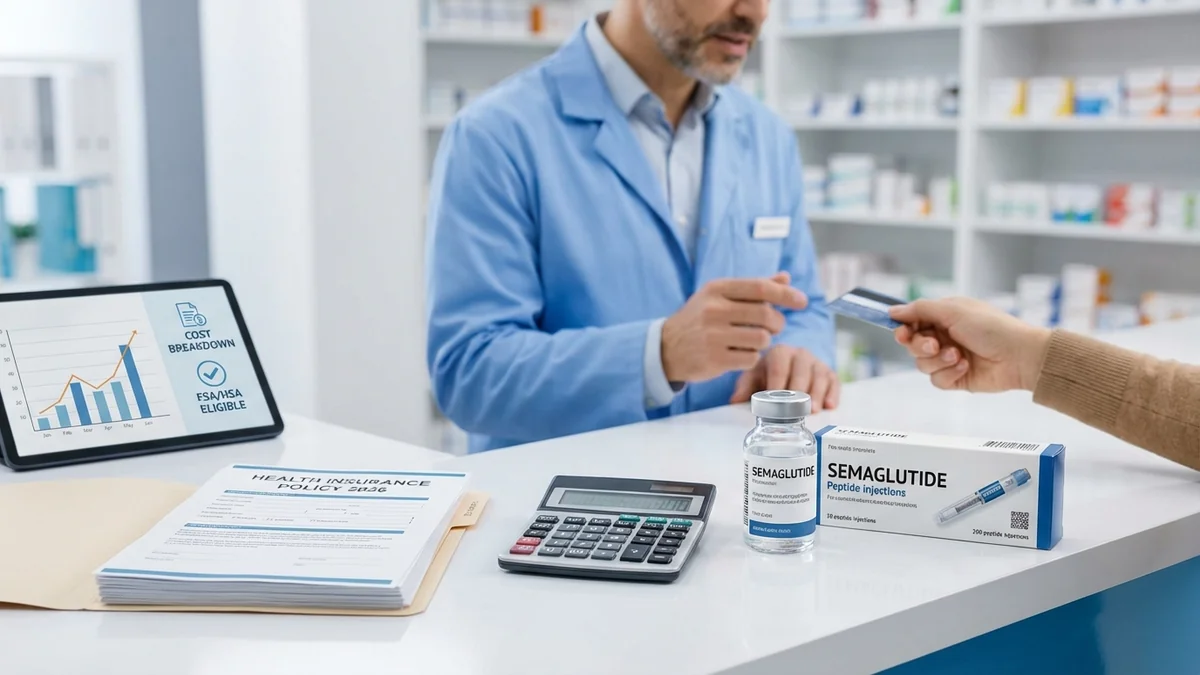
Key Takeaways
- Semaglutide costs can vary significantly, with brand-name versions typically more expensive than compounded forms.
- Insurance coverage is more common for FDA-approved peptides like Semaglutide, but many patients still face out-of-pocket expenses.
- Semaglutide may qualify for HSA/FSA spending, but compounded versions might not.
- Telehealth clinics often offer bundled pricing, potentially reducing overall costs.
- Savings programs and discount tools can help manage expenses.
What Is Semaglutide?
Semaglutide is an FDA-approved GLP-1 receptor agonist used primarily for weight loss and the management of type 2 diabetes. Administered via subcutaneous injection, it mimics the incretin hormones to enhance insulin secretion and lower blood glucose levels. Semaglutide's effectiveness has been demonstrated in multiple clinical trials, making it a trusted option for these conditions.
Typical Cost Ranges
The cost of Semaglutide therapy in 2026 varies based on several factors, including whether you are purchasing a brand-name version or a compounded alternative. Brand-name Semaglutide, such as Ozempic or Wegovy, generally costs between $800 and $1,200 per month without insurance. Compounded versions, if legally available, may cost less, typically ranging from $300 to $600 monthly.
Per-Dose vs. Monthly Costs:
- Brand-Name: $100-$150 per dose; $800-$1,200 monthly.
- Compounded: $30-$50 per dose; $300-$600 monthly.
With and Without Insurance
Insurance can significantly affect the cost of Semaglutide. Many insurance plans cover FDA-approved medications like Semaglutide, but coverage levels vary. Patients often face co-pays or partial coverage, leading to out-of-pocket expenses ranging from $50 to $300 monthly.
Insurance Coverage
Insurers that typically cover Semaglutide include major providers like Blue Cross Blue Shield, UnitedHealthcare, and Aetna. Coverage often requires prior authorization and may involve step therapy, where patients must try other medications first. While FDA-approved peptides are more likely to be covered, compounded versions are rarely included in insurance plans.
HSA/FSA Eligibility
Semaglutide is generally eligible for Health Savings Account (HSA) and Flexible Spending Account (FSA) spending, given its FDA approval. However, compounded versions may not qualify, depending on the specific HSA/FSA guidelines and the legality of compounding in your state.
Telehealth vs. In-Person Pricing
Telehealth clinics often provide bundled pricing that includes the cost of medication and consultations. These packages can range from $900 to $1,500 monthly, offering convenience and potentially lower costs than traditional in-person visits, which might charge separately for consultations and medication.
Ways to Reduce Cost
- Manufacturer Savings Programs: Companies like Novo Nordisk offer savings cards and patient assistance programs that can significantly lower costs.
- Compounding Pharmacies: If legal in your state, these can provide more affordable versions of Semaglutide.
- Discount Tools: Platforms like GoodRx can offer discounts, reducing the price by up to 50%.
Cost Compared to Alternatives
Compared to other GLP-1 receptor agonists like liraglutide, Semaglutide is often more expensive but may offer superior efficacy, as shown in trials such as the STEP 1 trial (NCT03548935). Alternatives like metformin are cheaper but may not provide the same weight loss benefits.
What to Ask Your Provider About Cost
- What is the expected monthly cost with my insurance plan?
- Are there any savings programs or discounts available?
- Can I use my HSA/FSA to pay for this medication?
- What are the cost implications of telehealth versus in-person visits?
- Are there more affordable alternatives or generics available?
FAQ
Is Semaglutide covered by insurance?
Many insurance plans cover Semaglutide, but coverage can vary. Check with your provider for specific details.
Can I use HSA/FSA funds for Semaglutide?
Yes, Semaglutide generally qualifies for HSA/FSA spending, but confirm with your plan administrator.
How can I reduce the cost of Semaglutide?
Consider manufacturer savings programs, compounding pharmacies, and discount tools like GoodRx.
Are telehealth clinics cheaper for Semaglutide?
Telehealth clinics often offer bundled pricing, which can be more cost-effective than separate in-person visits.
What is the cost difference between brand-name and compounded Semaglutide?
Brand-name versions typically cost $800-$1,200 monthly, while compounded versions, if legal, range from $300-$600.
Medical Disclaimer
This content is for informational purposes only and does not constitute medical advice. Consult a licensed healthcare provider before starting any treatment.
Find a Peptide Therapy Clinic Near You
Browse our directory of verified peptide therapy clinics across the United States. Compare providers, read reviews, and request a consultation.
PeptideClinicLocator.com does not provide medical advice. Always consult a qualified healthcare provider before starting any peptide therapy. Regulatory status may change.