PeptideClinicLocator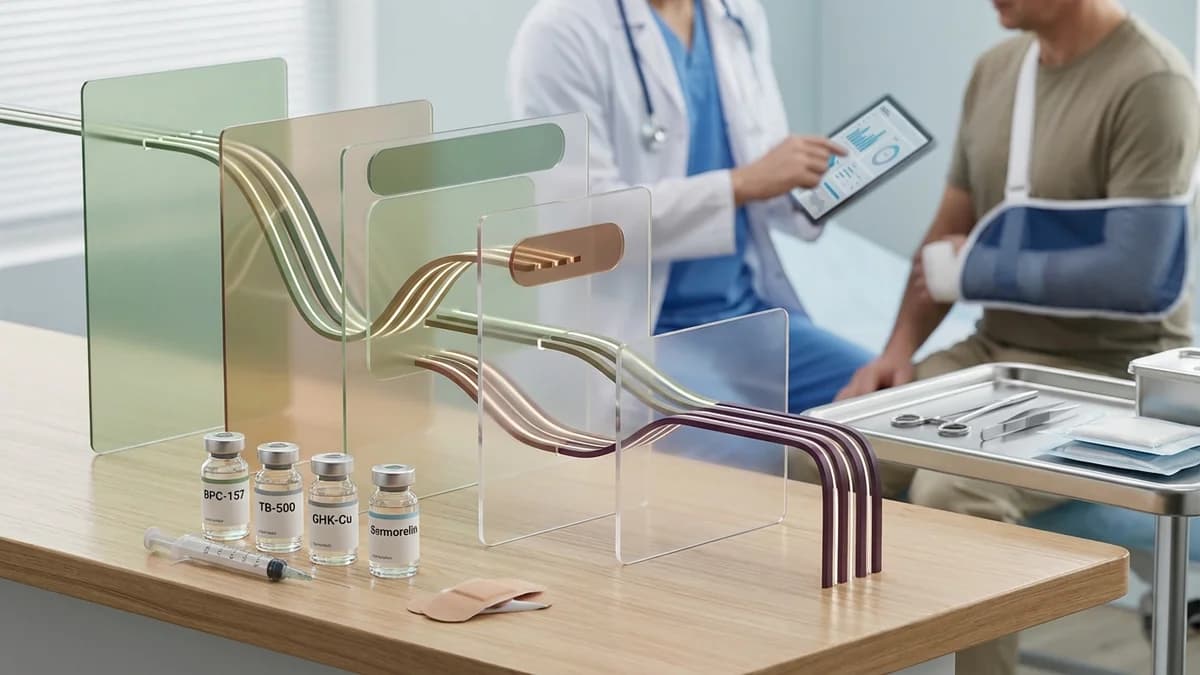
Key Takeaways
- The post-surgery peptide recovery stack is designed to enhance tissue repair and recovery after surgical procedures.
- This protocol typically includes BPC-157, TB-500, GHK-Cu, and Sermorelin.
- BPC-157 and TB-500 are prohibited for human use in the U.S., while GHK-Cu and Sermorelin are available for research and compounding.
- The stack aims to accelerate healing, reduce inflammation, and improve collagen synthesis.
- Typical duration ranges from 4 to 8 weeks, depending on individual recovery needs and medical supervision.
- Legal status varies: BPC-157 and TB-500 are Category 2, while GHK-Cu and Sermorelin are research-only or compoundable under specific conditions.
What Is the Post-Surgery Peptide Recovery Stack?
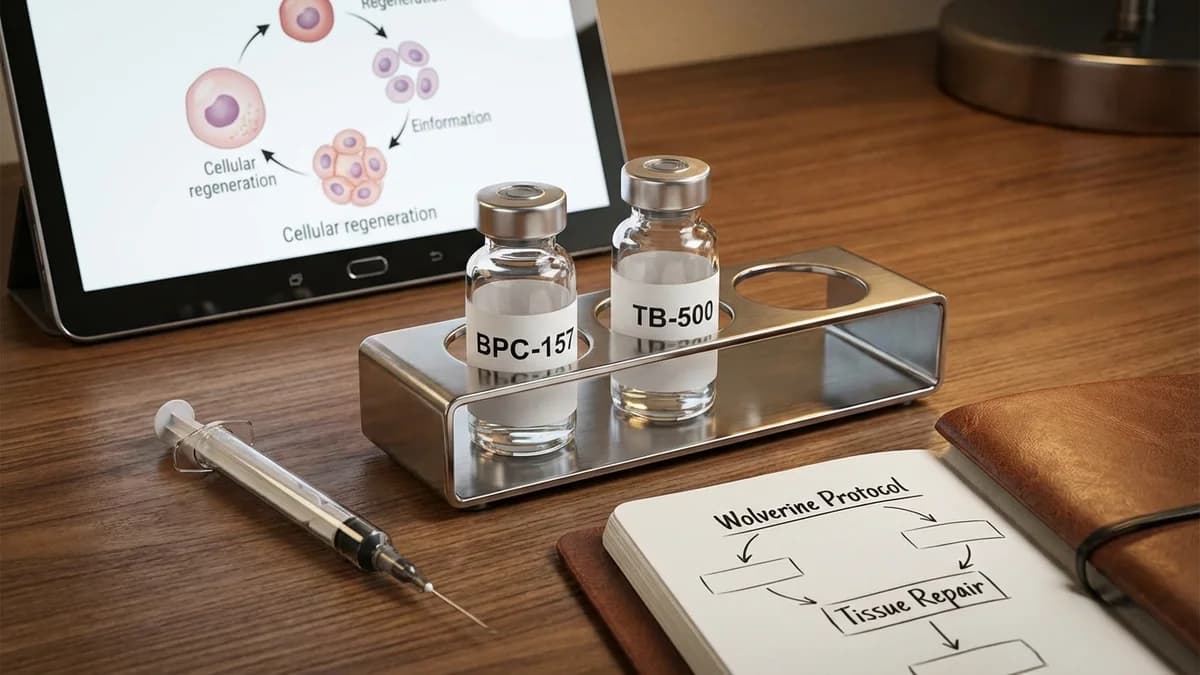
The post-surgery peptide recovery stack is a combination of peptides used to promote healing and recovery following surgical procedures. This protocol has gained popularity due to its potential to enhance tissue repair, reduce inflammation, and support overall recovery. The stack typically includes BPC-157, TB-500, GHK-Cu, and Sermorelin.
- BPC-157: A synthetic peptide fragment known for its tissue repair capabilities. It is currently prohibited (Category 2) for human use in the U.S. PMID 40005999.
- TB-500: A thymosin peptide that aids in systemic healing and inflammation reduction. It is also prohibited for human use (Category 2) PMID 41490200.
- GHK-Cu: A copper peptide that modulates collagen production and cellular signaling. It is available for research purposes only PMID 29986520.
- Sermorelin: A growth hormone-releasing hormone used for its anti-aging and recovery benefits. It is compoundable under specific conditions (Category 1) PMID 32257855.
How the Post-Surgery Peptide Recovery Stack Works
The peptides in this stack work synergistically to enhance recovery. Each peptide has a unique mechanism of action that contributes to the overall therapeutic goals:
- BPC-157: Enhances angiogenesis and promotes tissue repair by interacting with growth factors involved in healing processes PMID 30915550.
- TB-500: Facilitates systemic healing by promoting cell migration and reducing inflammation through actin binding and endothelial cell differentiation PMID 23084823.
- GHK-Cu: Regulates collagen synthesis and gene expression, supporting wound healing and anti-inflammatory pathways PMID 35083444.
- Sermorelin: Stimulates growth hormone release, aiding in tissue regeneration and recovery PMID 18046908.
Together, these peptides aim to accelerate healing, reduce recovery time, and improve surgical outcomes.
Post-Surgery Peptide Recovery Stack Dosing Protocol
The dosing protocol for this peptide stack is critical for achieving desired outcomes. Below is a structured guide:
| Peptide | Typical Dose | Administration | Timing | Cycle Length | |-------------|-----------------------|---------------------|---------------|--------------| | BPC-157 | 200-400 mcg/day | Subcutaneous | Morning/Evening | 4-8 weeks | | TB-500 | 2-5 mg/week | Subcutaneous | Split doses | 4-6 weeks | | GHK-Cu | 1-2 mg/day (topical) | Topical Application | Morning | 4-8 weeks | | Sermorelin | 200-500 mcg/day | Subcutaneous | Evening | 4-8 weeks |
Clinical protocols suggest these doses, but variations may occur based on individual needs and medical advice.
Administration Guide
Proper administration is crucial for the effectiveness of the peptide recovery protocol:
- Mixing: BPC-157 and TB-500 can be mixed in one syringe, but GHK-Cu should be applied topically and Sermorelin injected separately.
- Timing: Administer peptides at least 30 minutes before or after meals to optimize absorption.
- Reconstitution: Use bacteriostatic water for reconstituting lyophilized peptides. Follow specific instructions for each peptide.
- Storage: Store reconstituted peptides in the refrigerator. Keep GHK-Cu in a cool, dry place.
- Equipment: Use insulin syringes (29-31 gauge) for subcutaneous injections. A 1 ml syringe is typically sufficient.
Who Is This Protocol For?
Athletes Recovering from Injury
Athletes often use this stack to expedite recovery from sports-related injuries. The peptides' combined effects on tissue repair and inflammation reduction can shorten downtime and enhance performance.
Post-Surgical Recovery
Patients recovering from surgeries, such as orthopedic or cosmetic procedures, may benefit from this stack. The protocol supports faster healing and reduces postoperative complications.
Anti-Aging / Longevity Goals
Individuals seeking anti-aging benefits may use this stack for its collagen-boosting and regenerative properties, although this use is less common and should be approached with caution.
Specific Conditions
This protocol may target conditions like chronic wounds or tendon injuries, where enhanced healing is desired. However, medical supervision is essential to tailor the protocol to specific needs.
Expected Results and Timeline
Week 1-2
Users commonly report reduced inflammation and initial signs of accelerated healing.
Week 3-4
Typical changes include improved mobility, decreased pain, and visible wound healing.
Week 5-8
Full protocol effects are observed, with significant tissue repair and recovery.
Post-Cycle
After stopping the protocol, users may continue to experience benefits as healing processes stabilize.
Potential Side Effects and Risks
Each peptide in the stack has potential side effects and risks:
- BPC-157: May cause nausea or dizziness. Monitoring is advised.
- TB-500: Can lead to fatigue or headache. Ensure no contraindications with existing conditions.
- GHK-Cu: Generally well-tolerated but may cause skin irritation when applied topically.
- Sermorelin: Possible side effects include injection site reactions or mild edema.
Drug interactions and contraindications should be reviewed with a healthcare provider. Regular bloodwork is recommended to monitor health markers.
Legal and Regulatory Status
- BPC-157 and TB-500: Prohibited for human use (Category 2).
- GHK-Cu: Available for research purposes only.
- Sermorelin: Compoundable under specific conditions (Category 1).
Clinics in the U.S. may face legal restrictions in prescribing this full protocol. Alternative legal options should be considered.
Alternative Protocols
- GHK-Cu and CJC-1295: Focus on collagen synthesis and growth hormone support.
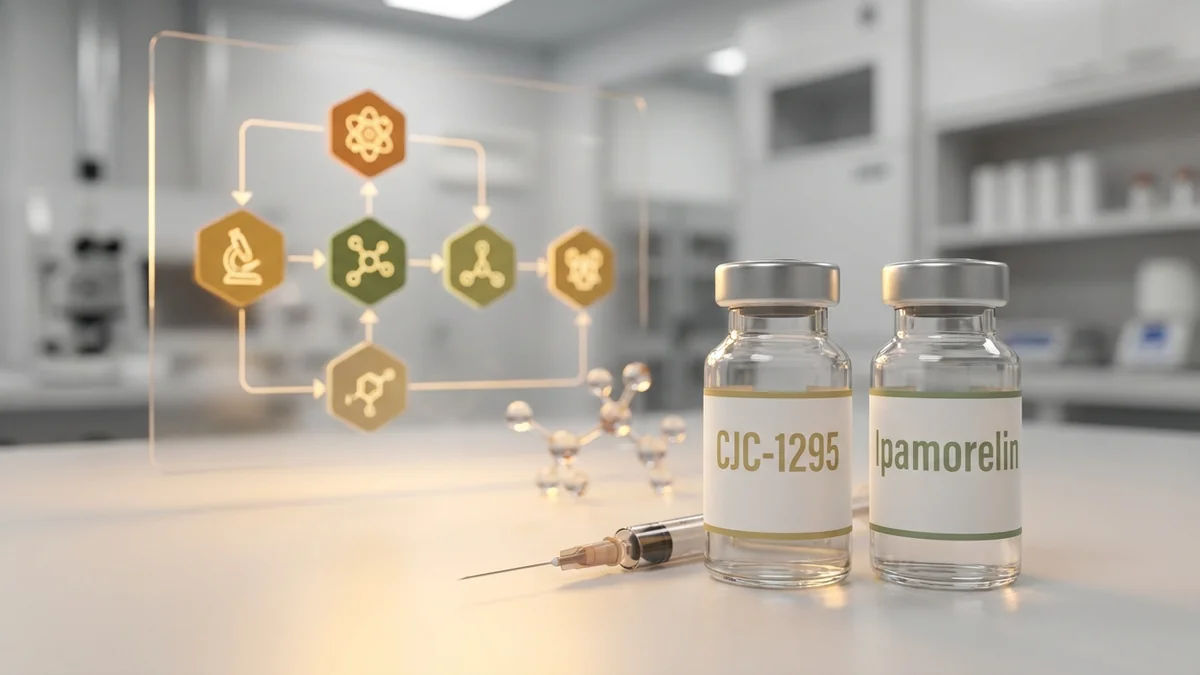
- Sermorelin and Ipamorelin: Emphasize growth hormone release for recovery.
- GHK-Cu and Hyaluronic Acid: Target skin and wound healing with topical applications.
What the Evidence Does Not Show
The combination of these peptides lacks extensive human studies. Most data are extrapolated from individual peptide research. The long-term effects and safety of this stack remain uncertain.
FAQ
How long should I run this protocol? Typically 4-8 weeks, depending on recovery needs and medical advice.
Can I modify the doses? Dosing should be adjusted only under medical supervision.
Is this protocol legal? BPC-157 and TB-500 are not legal for human use in the U.S. GHK-Cu and Sermorelin may be used under specific conditions.
Do I need a prescription? Yes, a prescription is required for legal use of any peptides in this protocol.
Can women use this protocol? Yes, but dosing and suitability should be evaluated by a healthcare provider.
What bloodwork should I get? Regular monitoring of liver enzymes, kidney function, and hormone levels is advised.
Where can I find a clinic that offers this? Visit our clinic finder to locate a clinic near you.
Medical Disclaimer
This content is for informational purposes only and does not constitute medical advice. Consult a licensed healthcare provider before starting any treatment.
Find a Peptide Therapy Clinic Near You
Browse our directory of verified peptide therapy clinics across the United States. Compare providers, read reviews, and request a consultation.
PeptideClinicLocator.com does not provide medical advice. Always consult a qualified healthcare provider before starting any peptide therapy. Regulatory status may change.