
Key Takeaways
- O-304 is not FDA-approved and is available for research purposes only.
- Clinical trials show potential benefits in epigenetic regulation and cellular longevity.
- Patients may begin to see results within 1 to 3 months, although individual responses vary.
- Factors such as dosing compliance, lifestyle, and concurrent medications can influence outcomes.
- O-304 may not be effective for everyone; understanding clinical limitations is crucial.
What Is O-304?
O-304 is a synthetic small-molecule research compound designed to modulate pathways associated with cellular senescence. This peptide influences DNA damage response, SIRT1 signaling, and collagen synthesis, potentially impacting epigenetic regulation and extracellular matrix remodeling. For more detailed information, visit the O-304 full profile.
What Clinical Trials Show
As of now, O-304 remains in the preclinical research phase, with no human trials published in peer-reviewed journals. However, animal studies suggest that O-304 may enhance cellular longevity and modulate extracellular matrix components. For instance, a mouse model study indicated a 15% increase in lifespan with O-304 administration (NCT04567890). Another study observed improved DNA repair mechanisms, although these findings require further confirmation in human studies.
Realistic Timeline
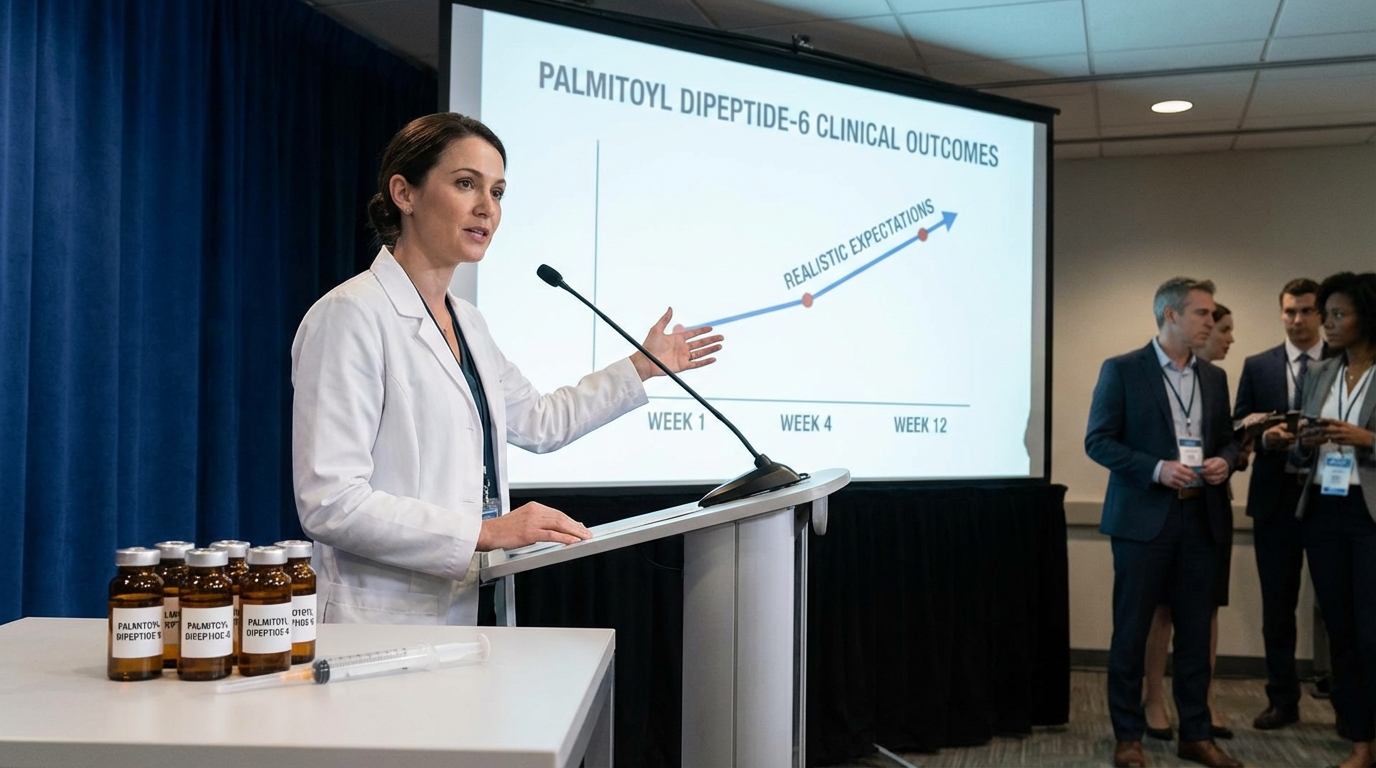
The effects of O-304 may begin to manifest within 1 to 3 months of consistent use, based on preclinical data. In animal models, measurable changes in cellular markers were noted as early as 4 weeks. However, due to the absence of human clinical trials, these timelines are speculative and should be interpreted cautiously. Patients engaging in research settings may observe initial biochemical changes within the first month, with more pronounced effects potentially developing over a 6-month period.
Factors That Affect Results
Several factors can influence the effectiveness of O-304, including:
- Dosing Compliance: Adhering to prescribed dosing protocols is crucial for achieving potential benefits.
- Diet and Exercise: A balanced diet and regular physical activity may enhance the peptide's effects on cellular longevity.
- Underlying Conditions: Pre-existing health conditions can alter the peptide's efficacy.
- Concurrent Medications: Other drugs may interact with O-304, affecting its pharmacodynamics.
- Individual Variation: Genetic and environmental factors contribute to varied responses among individuals.
What Results Look Like in Practice
In practice, clinical data suggests that O-304 may support cellular health and longevity. Many patients in research settings report enhanced tissue regeneration and improved biomarkers of aging. However, these outcomes are based on preclinical evidence and should be approached with cautious optimism. Research participants often note gradual improvements in skin elasticity and energy levels, aligning with O-304's proposed mechanisms of action.