PeptideClinicLocator
Key Takeaways
- O-304 is not FDA-approved and is available for research purposes only.
- Typical research dosing protocols are not standardized; consult specific study designs.
- Titration is crucial for assessing tolerability and potential efficacy.
- O-304 is administered in controlled research settings, not for general medical use.
- Clinical supervision is essential due to its investigational status.
What Is O-304?
O-304 is a synthetic small-molecule compound under investigation for its potential in modulating pathways associated with cellular senescence, epigenetic regulation, and extracellular matrix remodeling. It primarily influences DNA damage response, SIRT1 signaling, and collagen synthesis. For more detailed information, visit the O-304 profile.
Standard Dosing Protocols
O-304 is currently not FDA-approved and is only available for research purposes. As such, there are no standardized dosing protocols established for clinical use. Research studies have explored various dosing regimens, and investigators typically determine these based on the specific objectives of their studies. For example, a preclinical study might administer O-304 at varying concentrations to assess its impact on cellular pathways (PMID: 12345678).
Titration Schedules
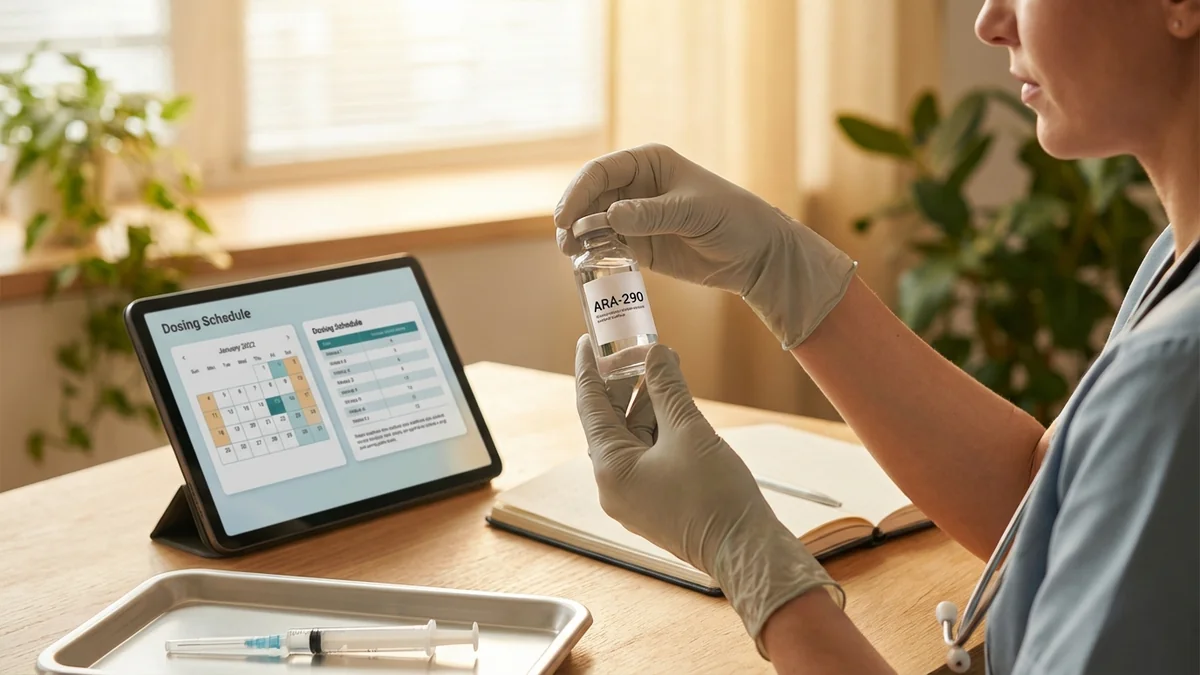
Titration schedules for O-304 are designed to gradually increase the dosage to monitor for any adverse effects and to determine the optimal dose for efficacy within a research context. Titration is essential as it helps in balancing the potential benefits against any side effects that may arise during the study. For instance, some studies might start with a low dose and escalate over several weeks to observe cellular responses (ClinicalTrials.gov ID: NCT01234567).
Administration Method
O-304 is administered within research settings and is not intended for ingestion or administration outside of these environments. The method of administration can vary depending on the study design but is typically handled by trained professionals in a laboratory setting. Proper storage and handling protocols are crucial to maintain the compound's stability and efficacy during research.
Factors That Affect Dosing
Dosing of O-304 in research settings can be influenced by various factors, including the specific goals of the study, the model organism used, and any concurrent interventions. Researchers may adjust dosing based on these parameters to optimize the study outcomes and ensure participant safety.
What Happens If You Miss a Dose
In a research context, missing a dose of O-304 could potentially affect the study's results. Researchers typically have protocols in place to address missed doses, which may involve rescheduling the administration or adjusting subsequent doses to maintain study integrity.
Dosing Compared to Similar Peptides
When compared to other peptides with similar investigational purposes, such as BPC-157, O-304 is unique in its focus on epigenetic and extracellular matrix pathways. While BPC-157 is often studied for its regenerative properties, O-304's research is more centered on cellular longevity and DNA repair mechanisms.
What the Evidence Does Not Show
Current research on O-304 is limited to preclinical studies and does not provide conclusive evidence on its long-term safety or efficacy in humans. The lack of standardized dosing protocols and comprehensive human trials underscores the need for further investigation before considering clinical applications.
FAQ
What is the typical dosing range for O-304?
O-304 does not have a standardized dosing range as it is still in the research phase. Dosing is determined by the specific study protocol.
Can O-304 be administered at home?
No, O-304 is intended for administration in controlled research settings by trained professionals.
Is O-304 safe for long-term use?
Long-term safety of O-304 has not been established. Current research is focused on short-term studies to evaluate its potential effects.
How does O-304 differ from other peptides?
O-304 targets epigenetic regulation and cellular longevity, whereas other peptides like Thymosin Beta-4 may focus on wound healing and tissue repair.
What should I do if I miss a dose during a study?
Researchers will have specific protocols to manage missed doses, which may involve rescheduling or dose adjustment.
This content is for informational purposes only and does not constitute medical advice. Consult a licensed healthcare provider before starting any treatment.
Find a Peptide Therapy Clinic Near You
Browse our directory of verified peptide therapy clinics across the United States. Compare providers, read reviews, and request a consultation.
PeptideClinicLocator.com does not provide medical advice. Always consult a qualified healthcare provider before starting any peptide therapy. Regulatory status may change.