PeptideClinicLocator
Key Takeaways
- Melanotan 1 (MT1) is not FDA-approved and is available only for research purposes.
- Dosing protocols vary due to the lack of standardized guidelines, with titration based on individual response.
- Subcutaneous injection is the common administration route, requiring careful handling and storage.
- Medical supervision is crucial to adjust dosing based on factors like body weight and treatment goals.
- Clinical evidence is limited to preclinical studies, emphasizing the need for further research.
What Is Melanotan 1 (MT1)?
Melanotan 1 (MT1) is a synthetic analog of α-melanocyte-stimulating hormone (α-MSH) primarily used in research to activate melanocortin receptors involved in pigmentation and photoprotective pathways. Its use is restricted to research settings and is not approved by the FDA for therapeutic use. For more detailed information, visit the Melanotan 1 (MT1) profile.
Standard Dosing Protocols
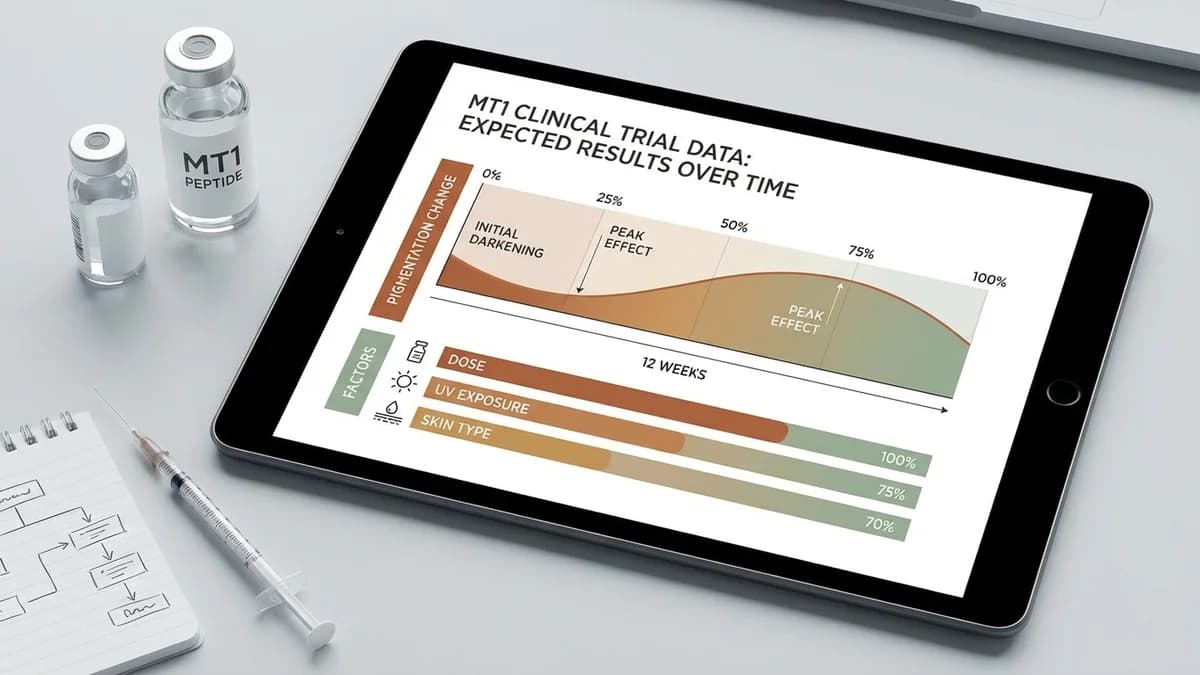
Melanotan 1 (MT1) does not have an FDA-approved dosing regimen. Its administration is primarily guided by research protocols, such as those seen in phase 1 clinical trials. One study (PMID 15262693) explored MT1's effects on skin tanning when combined with UV radiation, but specific dosing details were not standardized across studies, reflecting the experimental nature of its use.
Titration Schedules
Titration of Melanotan 1 typically involves starting with a low dose to assess individual tolerance and gradually increasing the dose based on response and side effects. This approach helps minimize adverse reactions, such as nausea, which are commonly reported. Clinical protocols suggest a cautious escalation over several weeks, though specific timelines can vary depending on research objectives.
Administration Method
Melanotan 1 is administered via subcutaneous injection. This method involves injecting the peptide into the fatty tissue beneath the skin, often in areas like the abdomen or thigh. Proper technique is essential to avoid complications, such as infection. Needles used are typically fine-gauge, and the peptide must be stored in a cool, dry place, often requiring reconstitution with bacteriostatic water before use.
Factors That Affect Dosing
Several factors influence the dosing of Melanotan 1, including:
- Body Weight: Heavier individuals may require adjusted doses.
- Treatment Goals: Objectives, such as desired pigmentation levels, guide dosing.
- Concomitant Medications: Other drugs can interact with MT1, necessitating dose adjustments.
- Organ Function: Impaired liver or kidney function may alter metabolism and clearance, affecting dosing.
What Happens If You Miss a Dose
If a dose of Melanotan 1 is missed, it is generally advised to take the next dose at the regular scheduled time without doubling up. This practice helps maintain consistent levels of the peptide in the system, though specific guidance should be sought from a supervising researcher or healthcare provider.
Dosing Compared to Similar Peptides
Compared to other peptides like Melanotan 2, MT1 is often preferred in research settings for its more targeted receptor activity and potentially reduced side effect profile. However, both peptides lack standardized dosing protocols due to their research-only status.
What the Evidence Does Not Show
The current research on Melanotan 1 is limited to preclinical and early-phase studies. Long-term safety data is lacking, and its effects beyond pigmentation, such as potential systemic impacts, are not well understood. Further research is necessary to establish comprehensive safety and efficacy profiles.
FAQ
What is the typical starting dose for Melanotan 1?
Starting doses are often low, around 0.25 mg per injection, with gradual increases based on response and tolerance.
How often should Melanotan 1 be administered?
Frequency varies by protocol, but it is commonly administered once daily or every other day in research settings.
Can Melanotan 1 be used for purposes other than research?
No, Melanotan 1 is not approved for therapeutic use and should only be used in controlled research environments.
Are there any known long-term side effects of Melanotan 1?
Long-term side effects are not well documented due to the lack of extensive human trials. Research is ongoing to better understand potential risks.
How should Melanotan 1 be stored?
Melanotan 1 should be stored in a cool, dry place, typically refrigerated, to maintain stability and efficacy.
Medical Disclaimer: This content is for informational purposes only and does not constitute medical advice. Consult a licensed healthcare provider before starting any treatment.
Find a Peptide Therapy Clinic Near You
Browse our directory of verified peptide therapy clinics across the United States. Compare providers, read reviews, and request a consultation.
PeptideClinicLocator.com does not provide medical advice. Always consult a qualified healthcare provider before starting any peptide therapy. Regulatory status may change.