PeptideClinicLocator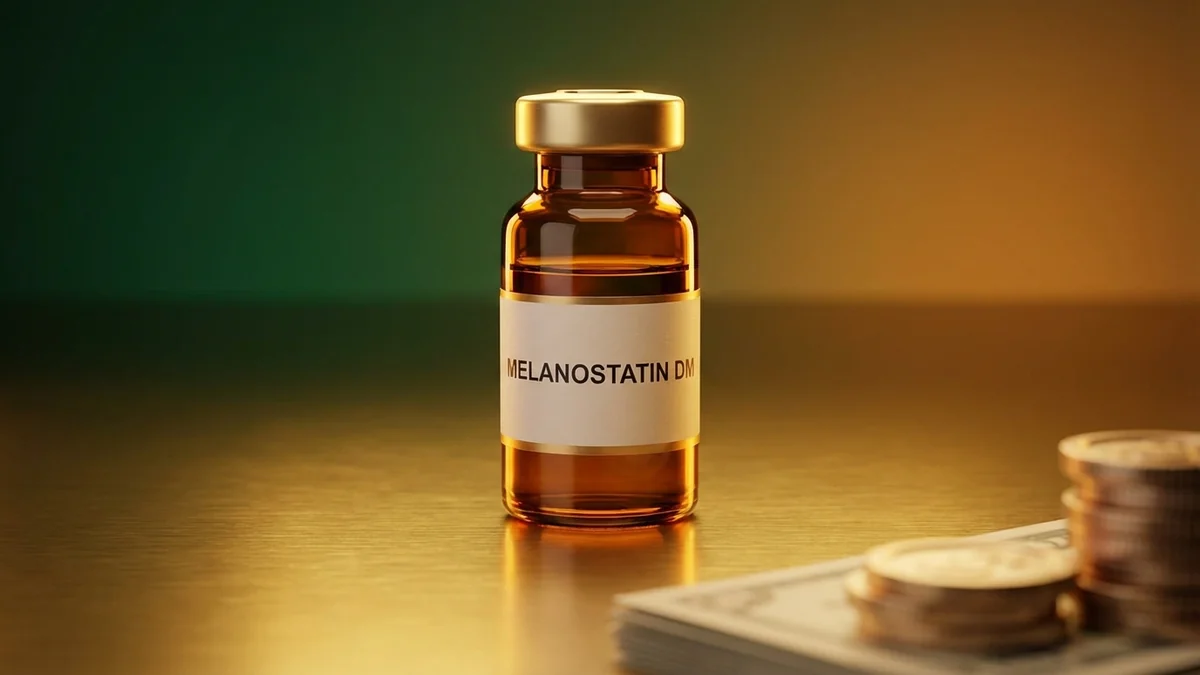
Key Takeaways
- Melanostatin DM is not FDA-approved and is available for research purposes only, making cost data limited.
- Most patients pay out-of-pocket as insurance coverage is rare for research peptides.
- HSA/FSA eligibility is uncertain for compounded versions of Melanostatin DM.
- Telehealth services may offer bundled pricing, potentially reducing overall costs.
- Manufacturer savings programs and discount tools like GoodRx can help manage expenses.
What Is Melanostatin DM?
Melanostatin DM is a research peptide analog of the tripeptide Prolyl-Leucyl-Glycinamide (PLG), primarily used in pigmentation and dermatological research. It functions by inhibiting tyrosinase activity and melanin biosynthesis through modulation of melanocyte-stimulating hormone (α-MSH) receptor pathways. For more detailed information, visit the Melanostatin DM profile.
Typical Cost Ranges
As Melanostatin DM is not FDA-approved and is intended for research purposes only, it is generally not available for therapeutic use in the United States. Consequently, specific cost data is not applicable. However, in markets where similar research peptides might be available, prices can vary significantly based on formulation and supplier. If compounded versions were legally available, they could potentially offer a more affordable option compared to brand-name equivalents, though this is speculative in the US context.
Insurance Coverage
Given that Melanostatin DM is a research-only peptide, it is not typically covered by insurance. Most insurers require FDA approval for coverage eligibility, which this peptide lacks. Patients interested in similar peptides that are FDA-approved may find that these are more likely to be covered, though compounded peptides generally face coverage challenges.
HSA/FSA Eligibility
The eligibility of Melanostatin DM for Health Savings Account (HSA) or Flexible Spending Account (FSA) spending is uncertain due to its research-only status. Generally, compounded medications may qualify if prescribed for a specific medical condition, but this is unlikely for a research peptide without therapeutic approval.
Telehealth vs. In-Person Pricing
Telehealth clinics often provide bundled pricing that includes both consultation and medication costs, which may offer savings compared to traditional in-person visits. However, this is contingent on the peptide being available for therapeutic use, which is not the case for Melanostatin DM in the US.
Ways to Reduce Cost
While Melanostatin DM itself may not be eligible for traditional savings programs due to its research status, patients can explore several general strategies to reduce costs for similar peptides:
- Manufacturer Savings Programs: If applicable, these can offer significant discounts.
- Compounding Pharmacies: In regions where legal, these may provide cost-effective alternatives.
- Patient Assistance Programs: Designed to help those with financial need, though typically for FDA-approved medications.
- Discount Tools: Platforms like GoodRx can offer discounts on prescription medications, though less applicable for research peptides.
Cost Compared to Alternatives
For those seeking alternatives with similar research applications, peptides like Melanotan II or Afamelanotide might be considered, though they also come with their own cost and regulatory considerations. It's crucial to compare both the financial and clinical implications of each option.
What to Ask Your Provider About Cost
When discussing peptide therapy costs with your provider, consider asking:
- Are there any legal or regulatory barriers to accessing this peptide?
- What are the potential out-of-pocket costs for similar FDA-approved peptides?
- Are there any patient assistance programs available for alternative treatments?
FAQ
Q: Can I purchase Melanostatin DM for personal use?
A: No, Melanostatin DM is not approved for personal use and is available for research purposes only.
Q: Is Melanostatin DM covered by Medicare?
A: Due to its research-only status, Melanostatin DM is not covered by Medicare or other insurance plans.
Q: What are the potential costs for similar peptides?
A: Costs for similar FDA-approved peptides vary widely, and insurance coverage can significantly affect out-of-pocket expenses.
Medical Disclaimer
This content is for informational purposes only and does not constitute medical advice. Consult a licensed healthcare provider before starting any treatment.
Find a Peptide Therapy Clinic Near You
Browse our directory of verified peptide therapy clinics across the United States. Compare providers, read reviews, and request a consultation.
PeptideClinicLocator.com does not provide medical advice. Always consult a qualified healthcare provider before starting any peptide therapy. Regulatory status may change.