PeptideClinicLocator
Key Takeaways
- Longevity, Performance & Obesity Research is not FDA-approved and is available for research purposes only.
- Dosing protocols are based on preclinical research and vary depending on the study design.
- Titration schedules are important for assessing tolerability and efficacy.
- Administration is typically through subcutaneous injection, requiring careful handling and storage.
- Medical supervision is crucial due to the peptide's research-only status.
What Is Longevity, Performance & Obesity Research?
Longevity, Performance & Obesity Research is a peptide formulation designed for investigating the modulation of metabolic regulation, mitochondrial function, and nutrient-sensing pathways. It operates by activating AMPK, influencing sirtuin signaling, and modulating oxidative stress response. For more detailed information, visit the full profile.
Standard Dosing Protocols
As of now, Longevity, Performance & Obesity Research is not FDA-approved, and no standardized dosing protocols exist for clinical use. Current research dosing is guided by preclinical studies, which aim to explore its potential effects on metabolic pathways (PMID 35304603). Given its status, dosing is determined by individual research protocols and may vary significantly.
Titration Schedules
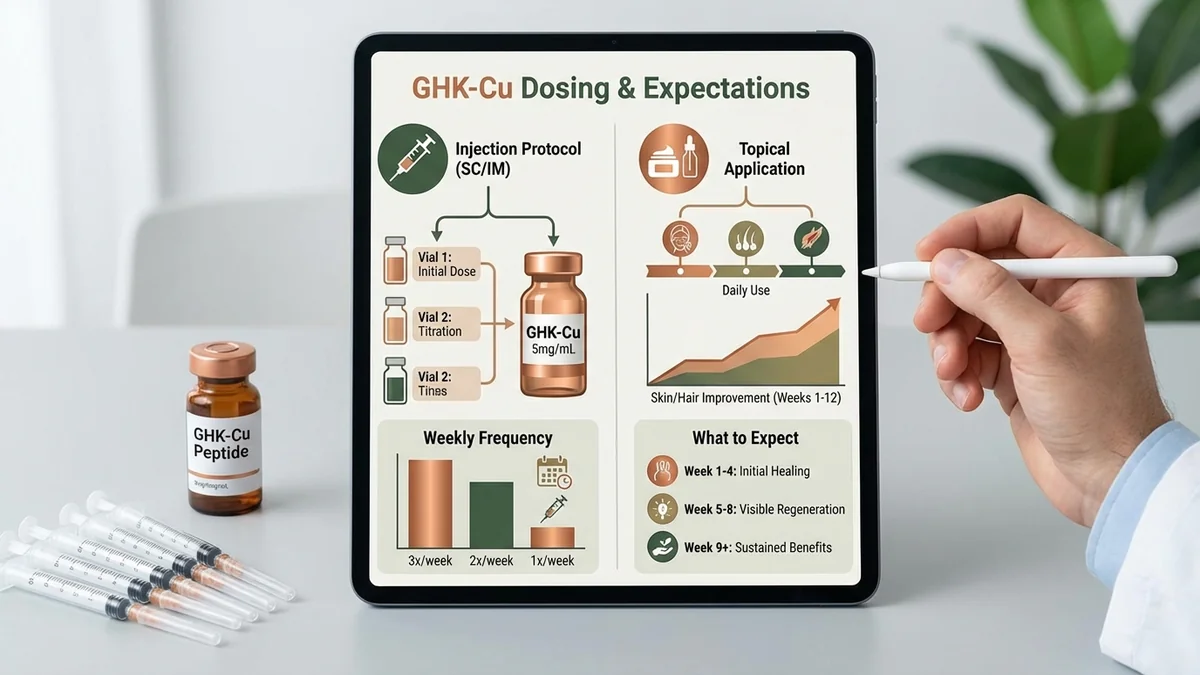
Titration is a critical component in research settings to ensure both tolerability and efficacy. Dosing often begins at a lower range, gradually increasing based on patient response and observed side effects. This approach helps mitigate potential adverse effects and allows for more precise evaluation of the peptide's impact on metabolic functions (PMID 30135314).
Administration Method
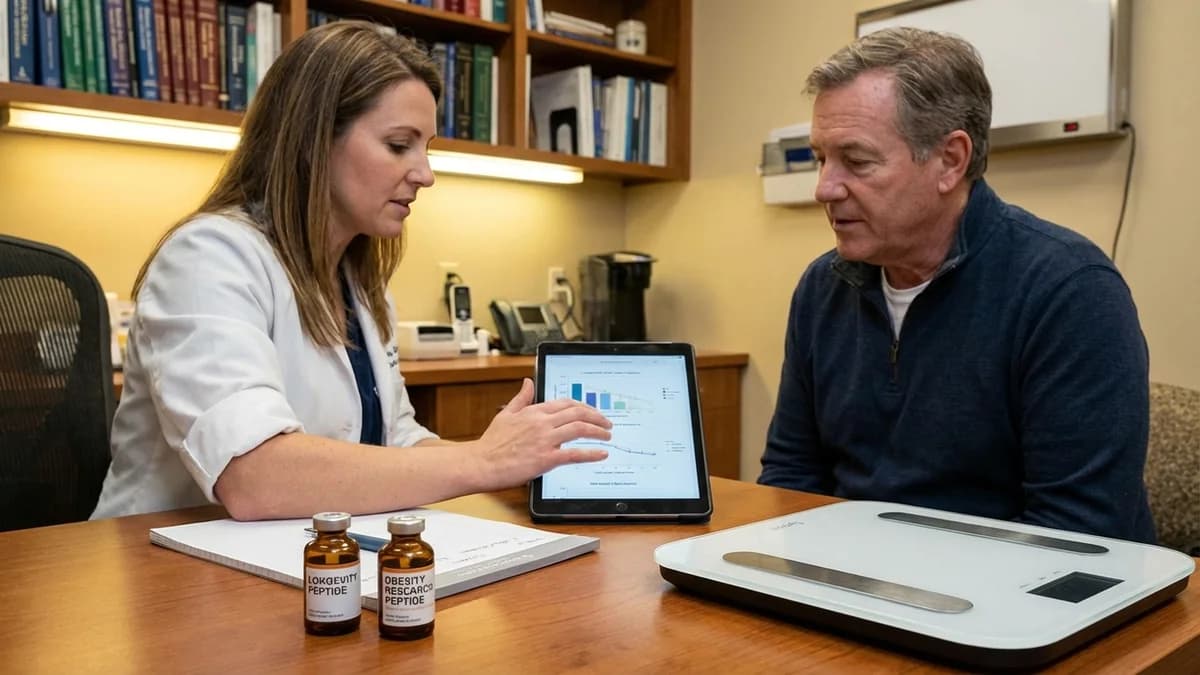
Administration of Longevity, Performance & Obesity Research typically involves subcutaneous injection. This requires understanding proper injection site rotation, usually in the abdomen or thigh, to prevent tissue damage. Practitioners should use a fine needle gauge (e.g., 29-31) for comfort and efficacy. Proper storage is essential, often requiring refrigeration to maintain peptide stability. Reconstitution may be necessary, using bacteriostatic water to dissolve the peptide before use.
Factors That Affect Dosing
Several factors influence dosing decisions, including body weight, treatment goals, and individual metabolic responses. Other medications and the patient's kidney or liver function also play significant roles. A healthcare provider will adjust dosing based on these variables to optimize outcomes and minimize risks.
What Happens If You Miss a Dose
In research settings, missing a dose may require consultation with the overseeing practitioner. Generally, it is advised not to double up on doses to compensate. Instead, the next scheduled dose should be taken as planned, maintaining the established titration schedule.
Dosing Compared to Similar Peptides
Compared to other research peptides like semaglutide or liraglutide, which are more advanced in clinical trials and have established dosing protocols, Longevity, Performance & Obesity Research remains at a preclinical stage. This underscores the importance of careful monitoring and adherence to research guidelines.
What the Evidence Does Not Show
Current research on Longevity, Performance & Obesity Research is limited, particularly in long-term safety and efficacy. While preclinical studies offer insights into potential mechanisms, human trials are necessary to validate these findings and establish comprehensive dosing guidelines. The absence of FDA approval further highlights the need for ongoing research and caution in its application.
FAQ
What is the primary use of Longevity, Performance & Obesity Research?
This peptide is primarily used in research to study metabolic regulation and mitochondrial function.
How is Longevity, Performance & Obesity Research administered?
It is typically administered via subcutaneous injection, requiring careful handling and storage.
Is Longevity, Performance & Obesity Research FDA-approved?
No, it is not FDA-approved and is available for research purposes only.
Can I adjust my dose if I experience side effects?
Dose adjustments should only be made under the guidance of a qualified healthcare provider.
What should I do if I miss a dose?
Consult with the overseeing practitioner, but generally, continue with the next scheduled dose without doubling up.
This content is for informational purposes only and does not constitute medical advice. Consult a licensed healthcare provider before starting any treatment.
Find a Peptide Therapy Clinic Near You
Browse our directory of verified peptide therapy clinics across the United States. Compare providers, read reviews, and request a consultation.
PeptideClinicLocator.com does not provide medical advice. Always consult a qualified healthcare provider before starting any peptide therapy. Regulatory status may change.