PeptideClinicLocator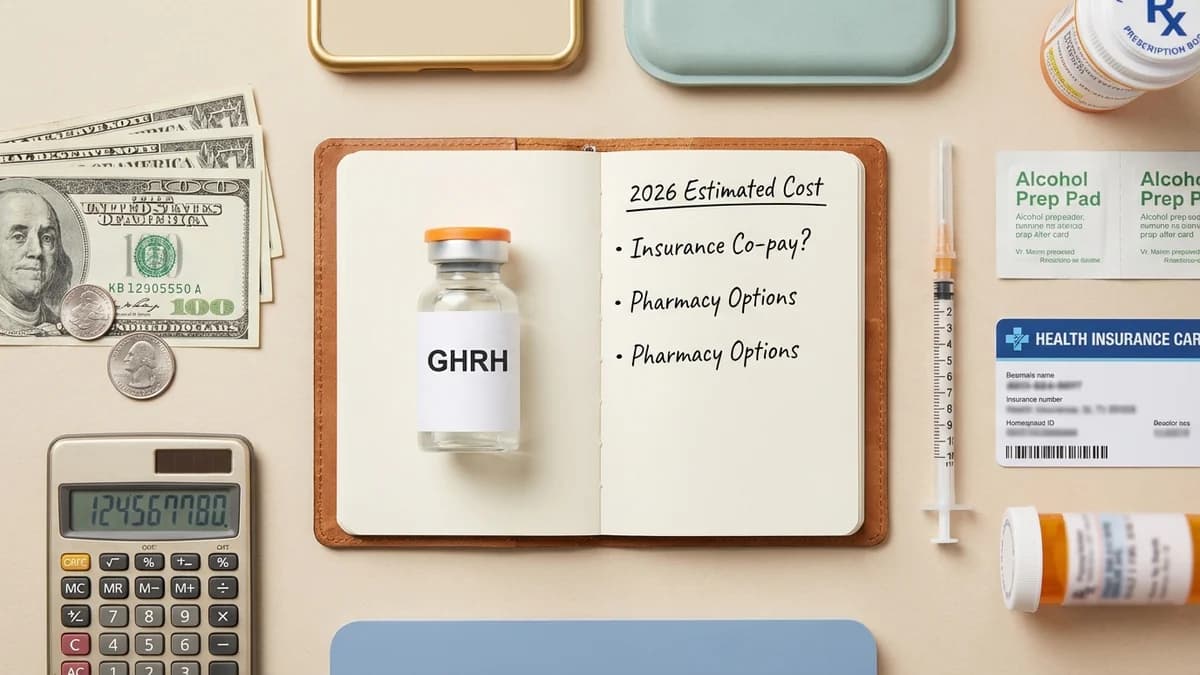
Key Takeaways
- GHRH is not legally available for therapeutic use in the US; it is intended for research purposes only.
- Market data for GHRH is limited due to its research-only status.
- Insurance typically does not cover GHRH as it is not FDA-approved for clinical use.
- Patients may explore cost-saving measures such as manufacturer programs or discount tools for related treatments.
- Alternatives to GHRH may include FDA-approved growth hormone therapies, which have clearer cost structures.
What Is GHRH?
GHRH, or Growth Hormone-Releasing Hormone, is a 44-amino acid peptide that stimulates the release of growth hormone. It functions by activating the GHRH receptor, which triggers adenylate cyclase and cAMP signaling pathways. GHRH is currently classified as a research-only peptide in the United States and is not approved by the FDA for clinical use. For more detailed information, please visit the GHRH full profile.
Typical Cost Ranges
Given that GHRH is not approved for therapeutic use in the US, specific cost data for clinical applications are not applicable. However, for those involved in research, costs can vary significantly based on factors such as supplier, purity, and quantity. Prices for research-grade peptides may range from $50 to $500 per milligram, depending on the aforementioned factors.
Insurance Coverage
Insurance coverage for GHRH is generally non-existent due to its status as a research-only peptide. FDA approval is a critical determinant for insurance reimbursement, and since GHRH lacks this approval, patients and researchers should expect to pay out of pocket. Compounded versions of peptides, when legally available, also face significant insurance coverage challenges.
HSA/FSA Eligibility
GHRH does not qualify for Health Savings Account (HSA) or Flexible Spending Account (FSA) spending due to its research designation. Only FDA-approved medications are typically eligible for these tax-advantaged accounts.
Telehealth vs. In-Person Pricing
As GHRH is not available for therapeutic use, there is no telehealth or in-person pricing structure for this peptide. However, telehealth services for other growth hormone therapies often bundle consultation and medication into monthly programs, which can influence overall costs.
Ways to Reduce Cost
While direct cost-reduction strategies for GHRH are not applicable, patients interested in growth hormone therapies may consider:
- Manufacturer savings programs for FDA-approved alternatives.
- Compounding pharmacies for legally available peptides.
- Patient assistance programs for related treatments.
- Discount tools like GoodRx for other medications.
Cost Compared to Alternatives
Alternatives to GHRH include FDA-approved growth hormone therapies, such as somatropin, which are more likely to be covered by insurance and have established cost structures. These treatments can range from $500 to $1,500 per month, depending on dosage and insurance coverage.
What to Ask Your Provider About Cost
- Are there FDA-approved alternatives to GHRH that are covered by insurance?
- What are the potential out-of-pocket costs for growth hormone therapies?
- Are there patient assistance programs available for these treatments?
- How do telehealth services compare in cost to in-person consultations for growth hormone therapy?
FAQ
1. Is GHRH covered by insurance? No, GHRH is not covered by insurance as it is not FDA-approved for therapeutic use.
2. Can I use HSA/FSA funds for GHRH? No, GHRH does not qualify for HSA/FSA spending due to its research-only status.
3. What are the costs of alternatives to GHRH? FDA-approved growth hormone therapies can cost between $500 and $1,500 per month, depending on various factors.
Medical Disclaimer This content is for informational purposes only and does not constitute medical advice. Consult a licensed healthcare provider before starting any treatment.
Find a Peptide Therapy Clinic Near You
Browse our directory of verified peptide therapy clinics across the United States. Compare providers, read reviews, and request a consultation.
PeptideClinicLocator.com does not provide medical advice. Always consult a qualified healthcare provider before starting any peptide therapy. Regulatory status may change.