PeptideClinicLocator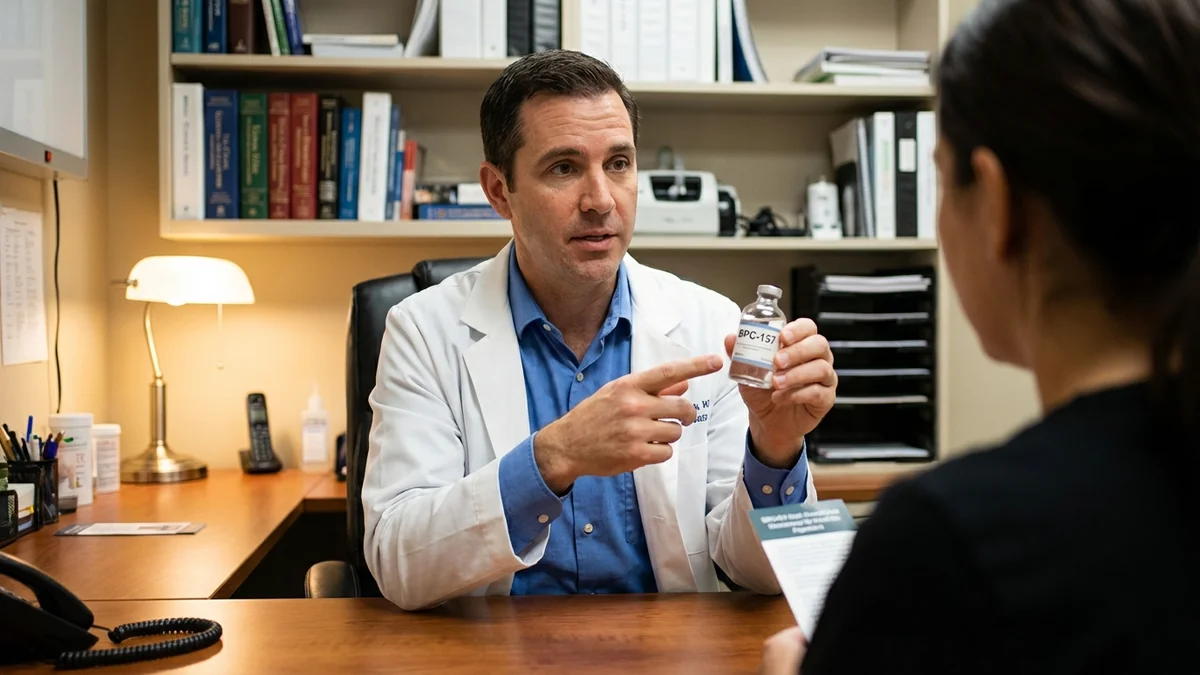
Key Takeaways
- BPC-157 is not FDA-approved for any medical condition and is categorized as prohibited.
- Clinical research on BPC-157 shows potential benefits in tissue repair and recovery, but human data is limited.
- Patients considering peptide therapy should discuss potential risks and benefits with a healthcare provider.
- Alternatives to BPC-157 include thymosin beta-4 and growth factors, which are also under investigation.
- Use the clinic finder to locate peptide therapy clinics that offer BPC-157.
Understanding BPC-157
BPC-157, often referred to as the "Body Protection Compound," is a synthetic peptide derived from a protein found in human gastric juice. It has gained attention for its potential role in promoting tissue repair and enhancing recovery from injuries. While BPC-157 is not approved by the FDA for any specific medical condition, it is widely studied in preclinical models for its regenerative properties (PMID 40005999).
FDA-Approved Peptide Options
As of now, there are no FDA-approved peptide therapies specifically for the indications associated with BPC-157, such as tissue repair or recovery. Most of the research remains in preclinical stages or early-phase clinical trials. Patients should be aware that any use of BPC-157 in a clinical setting is considered off-label or experimental.
Peptides Used Off-Label or in Research
In addition to BPC-157, other peptides like thymosin beta-4 are used off-label for similar purposes. Thymosin beta-4 has shown promise in animal studies for enhancing wound healing and reducing inflammation (PMID 34324435). However, like BPC-157, it lacks FDA approval for these indications and should be approached with caution.
How BPC-157 Addresses Tissue Repair
BPC-157 is believed to promote tissue repair through several mechanisms. It enhances angiogenesis, the formation of new blood vessels, which is crucial for healing injured tissues. It also modulates growth factor activity and reduces inflammation, contributing to its regenerative effects (PMID 30915550). For more detailed information, visit the full BPC-157 profile.
Comparing Treatment Options
When considering treatment for tissue repair, peptides like BPC-157 and thymosin beta-4 are often compared to non-peptide therapies such as physical therapy, NSAIDs, and surgical interventions. Peptides may be recommended for their potential to accelerate healing, particularly in cases where traditional methods are insufficient. However, due to limited human data, healthcare providers may prioritize established treatments unless a patient is participating in a clinical trial.
What to Ask Your Doctor
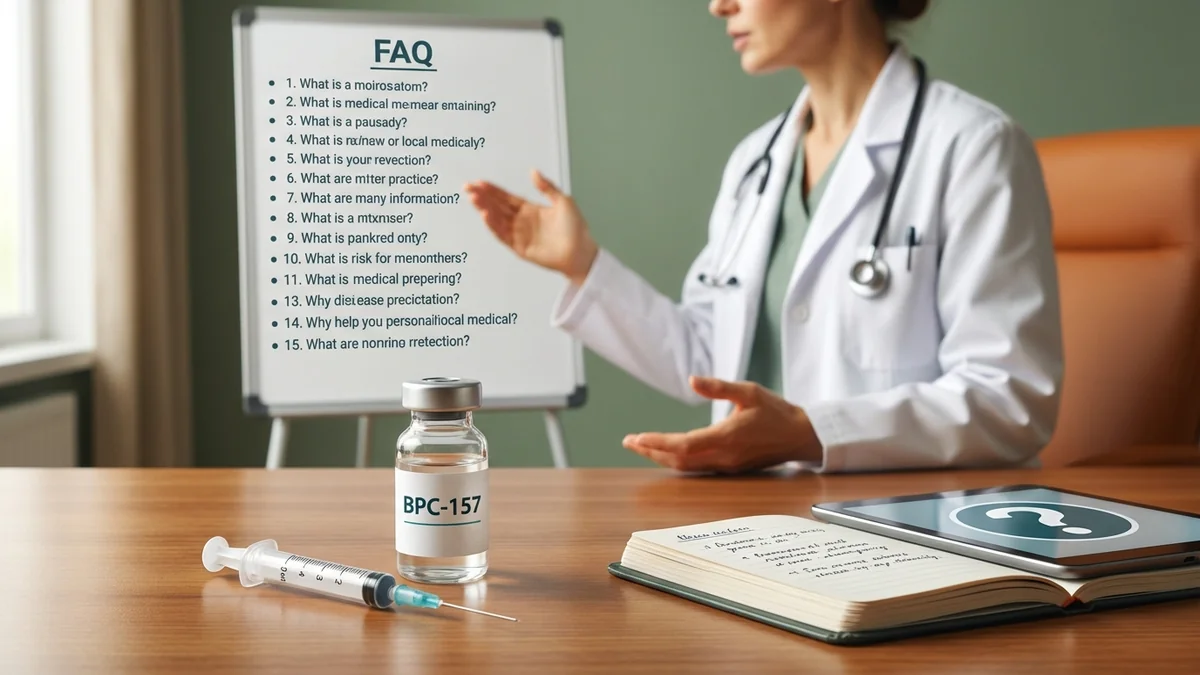
When discussing peptide therapy with your healthcare provider, consider asking the following questions:
- What is the current evidence supporting the use of BPC-157 for my condition?
- Are there any clinical trials available that I might qualify for?
- What are the potential side effects and risks associated with BPC-157?
- How does peptide therapy compare to other treatment options in terms of efficacy and safety?
Finding a Clinic
To explore peptide therapy options, use our clinic finder to locate clinics offering BPC-157. Ensure the clinic provides comprehensive consultations and follows regulatory guidelines.
What the Evidence Does Not Show
Despite promising preclinical findings, there are significant gaps in the evidence for BPC-157. Most studies are animal-based or in vitro, with limited human data available. Ongoing research is needed to establish its safety and efficacy in humans (PMID 36359218).
FAQ
Is BPC-157 safe for human use? Current data is predominantly from animal studies, and while BPC-157 has a favorable safety profile in these models, human studies are limited. Consult a healthcare provider for personalized advice.
Can BPC-157 be used for conditions other than tissue repair? Research is exploring its potential in various conditions, including inflammatory bowel disease and CNS disorders, but these applications are not yet clinically validated.
How is BPC-157 administered? BPC-157 is typically administered via subcutaneous injection. Dosing regimens vary, and a healthcare provider should determine the appropriate protocol.
What are the common side effects of BPC-157? Few side effects have been reported in preclinical studies, but human data is insufficient to fully understand its safety profile.
Is BPC-157 banned in sports? BPC-157 was temporarily banned by the World Anti-Doping Agency (WADA) in 2022, but it is not currently listed as prohibited. Athletes should verify its status in their respective sports.
Medical Disclaimer
This content is for informational purposes only and does not constitute medical advice. Consult a licensed healthcare provider before starting any treatment.
Find a Peptide Therapy Clinic Near You
Browse our directory of verified peptide therapy clinics across the United States. Compare providers, read reviews, and request a consultation.
PeptideClinicLocator.com does not provide medical advice. Always consult a qualified healthcare provider before starting any peptide therapy. Regulatory status may change.